Remote work has changed how teams communicate, collaborate, and support each other. Yet, one challenge remains easy to miss: making sure people feel seen. Employee recognition for remote teams can be harder when workers rarely meet in person. A quick thank-you in the office no longer reaches everyone. Managers need a clear way to recognize good work, no matter where an employee works.
The challenge grows when a company has teams across several offices, cities, or time zones. One location may have strong recognition habits, while another may rarely celebrate wins. Over time, this can create an uneven employee experience. A fair recognition approach gives every employee a chance to receive praise for their work. It also helps managers build stronger connections with people they may not see each day.
Why Recognition Matters for Remote and Multi-Site Teams
Recognition is more than saying “good job.” It shows employees that their work matters. When people receive meaningful praise, they can feel more connected to their team and company.
For remote workers, this matters even more. They may not hear positive feedback during a quick office chat. They may also miss team lunches, celebrations, and other small moments that help people feel included.
Multi-site teams face a similar issue. Employees at one office may get regular praise from local managers. Another location may have a very different approach. Without shared guidelines, recognition can depend too much on who manages the team.
A clear recognition process helps create a more equal experience. It gives managers a simple way to celebrate good work across locations.
Build One Recognition Standard for Every Location
The first step is to create a shared standard. Every office and remote team should understand what good recognition looks like.
This does not mean every team must use the same words or celebrate in the same way. Instead, the company should agree on a few basic rules.
For example, recognition should be:
- Timely
- Specific
- Fair
- Linked to company values
- Visible when appropriate
- Easy for employees to give and receive
These simple rules can help remove guesswork. Managers know when to recognize someone, while employees know that good work will not go unnoticed.
A shared standard also supports employee recognition programs for remote teams. The program becomes part of the company culture rather than a task that only some managers follow.
Make Recognition Easy for Managers
Managers already have many tasks to handle. If recognition takes too much time, it may happen less often.
A good system should make recognition quick and simple. Managers should be able to praise an employee after a strong project, helpful action, or important result.
Specific praise works better than a general message.
Instead of saying:
“Great work on the project.”
A manager could say:
“Your clear project updates helped the team solve the client issue two days early.”
The second message tells the employee exactly what they did well. It also shows why their work mattered.
This approach works for both remote and office-based employees. It creates a habit of giving useful feedback instead of sending empty praise.
Use Digital Recognition to Connect Distributed Teams
Digital tools can help close the distance between employees. They give people a shared space to celebrate wins, thank colleagues, and share milestones.
This is especially useful for teams working across time zones. Recognition does not have to wait for the next team meeting.
For example, a team member in Toronto can recognize a colleague in London for helping with a customer issue. Someone in another office can join the conversation and add their own message.
A digital recognition system can also make appreciation more visible. When appropriate, team members can see examples of helpful actions and strong performance.
Companies can also combine recognition with rewards. For ideas on building stronger connections through rewards, see Effective Rewards for Remote Teams.
Give Employees More Ways to Recognize Each Other
Recognition should not come only from managers. Coworkers often see helpful actions that managers may never notice.
Peer recognition gives employees a way to thank each other directly. This can be useful when teams work across departments, locations, or time zones.
For example, an employee might recognize a coworker for:
- Helping solve a difficult customer problem
- Supporting a new team member
- Sharing useful knowledge
- Taking ownership of a task
- Helping another location during a busy period
- Supporting a project outside their normal role
Peer recognition can also strengthen relationships between people who rarely meet face to face.
A structured approach can make this easier. Learn more about how Employee Recognition Programs can support regular recognition throughout the year.
Recognize Remote Employees for More Than Results
Results matter, but they are not the only reason to recognize someone.
Remote employees may contribute in ways that are less visible. Someone may help a new hire, keep communication clear, support another team, or step in when a coworker needs help.
These actions can have a real effect on team morale.
Managers should look beyond numbers and deadlines. They should also notice behaviors that support the wider team.
For example, recognition could highlight:
- Collaboration
- Reliability
- Problem-solving
- Customer support
- Knowledge sharing
- Leadership
- Team support
This helps create a culture where employees feel valued for the full range of work they do.
For more practical ideas, see this guide on how to Recognize Remote Employees.
Keep Recognition Fair Across Locations
Fairness is one of the biggest challenges for multi-site teams.
A manager who works in an office every day may notice employee contributions more easily. A remote employee may need to work harder to make their achievements visible. The same issue can happen between different offices.
Companies can reduce this gap by setting clear recognition criteria.
Ask managers to consider:
- What did the employee do?
- What was the impact?
- Which company value did the action support?
- Did the employee help others?
- Was the contribution beyond normal expectations?
These questions can guide managers toward fairer decisions.
Recognition data can also help leaders spot gaps. If one location receives far more recognition than another, it may be worth asking why. The goal is not to make every location receive the same number of awards. The goal is to make sure good work has a fair chance to be noticed.
Make Recognition Part of the Work Routine
Recognition works best when it becomes a regular habit.
Waiting for annual reviews can make appreciation feel too distant. Employees benefit from feedback when the work is still fresh.
Managers can add recognition to existing routines. A weekly team meeting can include a short recognition moment. Project closeouts can include a thank-you section. Company channels can highlight important contributions.
These small actions can make employee recognition for remote teams feel natural rather than forced.
The same principle applies to multi-site teams. Each location can use its own style while following the same company-wide recognition standards.
Connect Recognition With Employee Engagement
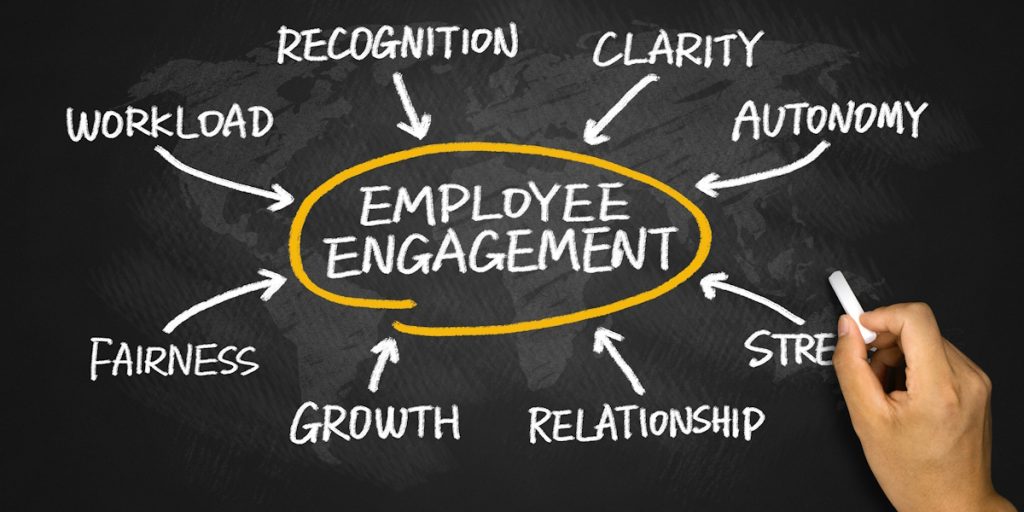
Recognition and engagement often support each other. Employees who feel that their work matters may feel a stronger connection to their team.
However, recognition should not become a numbers game. Giving an award simply because a system says it is time can reduce its value.
The message should always have meaning.
A strong recognition message answers three basic questions:
- What did the employee do?
- Why did it matter?
- How did it help the team, customer, or company?
That simple structure can make recognition more personal and useful.
You can also read more about employee recognition and engagement and how recognition can support stronger workplace performance.
Measure What Is Working
A recognition strategy should not run without review.
Companies can track useful signals such as:
- Recognition activity by team
- Recognition activity by location
- Peer-to-peer recognition
- Manager recognition
- Participation rates
- Employee feedback
- Reward redemption
- Recognition linked to company values
These numbers can show where the program is working and where it needs attention.
Employee feedback matters just as much. Ask people whether recognition feels fair, timely, and meaningful. Remote employees may point out gaps that managers cannot see.
The goal is not to create more recognition for the sake of it. The goal is to create better recognition.
Build One Culture, Wherever People Work
Remote and multi-site teams do not need to work in the same place to feel connected. They do need consistent opportunities to appreciate each other’s work.
Employee recognition for remote teams works when companies make recognition easy, fair, personal, and regular. Managers should have simple tools. Employees should have ways to recognize peers. Leaders should set clear standards and review whether everyone has a fair chance to be seen.
When recognition becomes part of everyday work, distance becomes less of a barrier. People can feel valued whether they work from home, another office, or a different city.
The strongest recognition culture is not tied to a building. It follows the people.
Are Your Remote And Multi-Site Employees Getting The Recognition They Deserve?