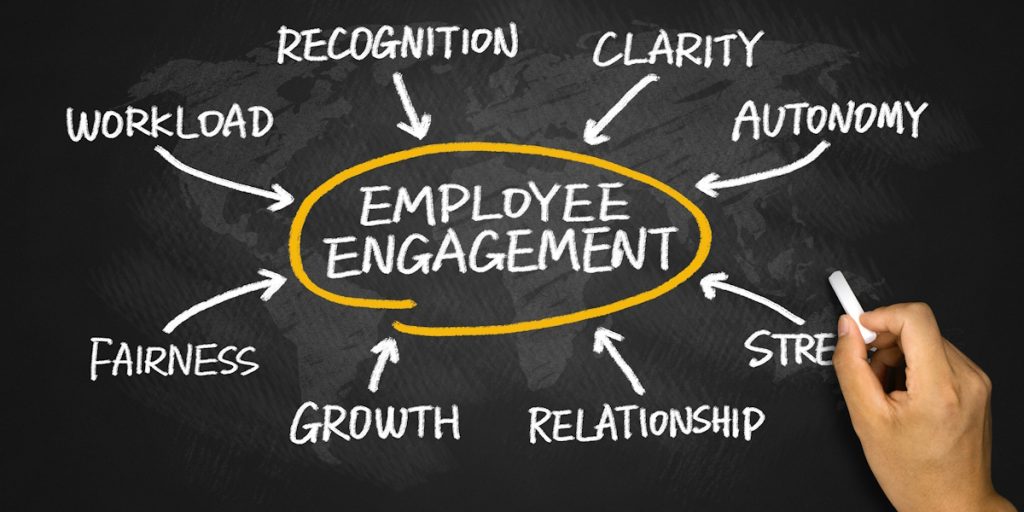
Employees don’t just work for a paycheck—they want to feel seen, valued, and appreciated. When people feel that their efforts matter, they naturally become more involved in their work. This is where employee recognition and engagement play a key role. A well-designed recognition approach can turn everyday tasks into meaningful contributions and help teams stay motivated over time.
At the same time, companies are always looking for ways to improve results without adding unnecessary pressure. Recognition programs offer a simple yet powerful solution. By acknowledging good work, businesses can improve morale, strengthen loyalty, and create a positive work environment. When employees feel valued, they tend to perform better, stay longer, and contribute more to company success.
What Are Employee Recognition Programs?
Employee recognition programs are structured ways to appreciate employees for their efforts, achievements, or behaviors that align with company goals. These programs can include rewards, public appreciation, bonuses, or even simple thank-you messages.
Many organizations use recognition programs for employees to highlight both big achievements and small daily wins. For example, a team member who meets a deadline or helps a colleague can be recognized just as much as someone who closes a major deal.
A good program is consistent, fair, and easy to understand. It should focus on behaviors that the company wants to encourage, such as teamwork, innovation, and reliability.
Why Employee Recognition Matters for Engagement
Employee engagement is about how connected and committed people feel toward their work and organization. Recognition plays a direct role in building that connection.
When employees receive regular appreciation, they feel respected and motivated. This improves employee engagement and productivity because people are more willing to put in extra effort when they know it will be noticed.
Recognition also helps build trust between employees and management. When leaders take time to acknowledge contributions, it sends a clear message that every role matters. Over time, this creates a culture where employees feel comfortable sharing ideas and taking initiative.
How Recognition Programs Improve Performance
Increased Motivation and Effort
One of the biggest employee recognition benefits is higher motivation. When employees know their work is valued, they are more likely to stay focused and committed.
Recognition works as positive reinforcement. When good behavior is rewarded, employees are encouraged to repeat it. This leads to better consistency in performance and stronger overall results.
Better Productivity and Efficiency
There is a strong link between recognition and employee productivity and morale. When employees feel appreciated, they tend to work faster and more effectively.
For a deeper look at this connection, you can read about Employee Productivity and Morale. It explains how consistent appreciation helps teams stay focused and perform at a higher level.
Lower Turnover Rates
Employees who feel ignored are more likely to leave. On the other hand, those who are recognized regularly tend to stay longer.
Recognition programs help reduce turnover by making employees feel valued. This saves companies the cost and effort of hiring and training new staff, while also keeping experienced team members engaged.
Types of Workplace Recognition Programs
Formal Recognition Programs
These include structured systems like monthly awards, performance bonuses, or annual recognition events. They are planned in advance and often tied to specific goals.
Informal Recognition
Simple gestures such as saying “thank you” or praising someone in a meeting can have a big impact. Informal recognition is quick, personal, and easy to implement.
Peer-to-Peer Recognition
In this approach, employees recognize each other. This builds stronger relationships and creates a supportive team environment.
All these types of workplace recognition programs can work together to create a balanced system that meets different employee needs.
How to Build an Effective Recognition Program
Set Clear Goals
Start by deciding what you want to achieve. It could be improving teamwork, increasing productivity, or boosting morale. Clear goals help shape your employee recognition strategies.
Make It Consistent
Recognition should not be occasional. It needs to be regular and fair so that all employees feel included.
Keep It Simple
A complicated system can discourage participation. Make sure your program is easy to understand and use.
Personalize Recognition
Different employees value different types of appreciation. Some prefer public praise, while others like private acknowledgment. Understanding these preferences makes recognition more meaningful.
Use Technology
Digital platforms can make it easier to manage and track recognition efforts. They also allow employees to participate more actively.
For more insights on why recognition is essential, you can check out the Employee recognition program.
The Link Between Recognition and Company Performance
Recognition does more than improve employee satisfaction—it directly impacts business results. Companies that invest in recognition often see better performance across teams.
When employees are engaged, they produce higher-quality work, collaborate better, and contribute to company goals more effectively. This strengthens overall performance and helps businesses grow.
The impact of recognition on employee performance can also be seen in customer satisfaction. Happy employees tend to provide better service, which leads to happier customers.
In addition, strong recognition practices improve company culture. A positive work environment attracts top talent and builds a strong reputation in the market.
Final Thoughts
Recognition is not just a nice gesture—it is a smart business strategy. By focusing on employee recognition and engagement, companies can create a motivated workforce that drives real results.
Whether through formal programs or simple daily appreciation, recognizing employees helps build trust, improve performance, and support long-term success. Businesses that invest in recognition are better positioned to grow and maintain a strong, committed team.
Frequently Asked Questions (FAQs)
What are employee recognition programs?
Employee recognition programs are structured ways to appreciate and reward employees for their work, achievements, or positive behavior. These programs can include bonuses, awards, public praise, or simple acknowledgments that help employees feel valued.
How do recognition programs improve employee engagement?
Recognition programs improve engagement by making employees feel appreciated and respected. When people know their efforts are noticed, they become more motivated, involved, and committed to their work, which strengthens employee recognition and engagement.
What are the benefits of employee recognition programs?
Some key employee recognition benefits include higher motivation, better productivity, improved morale, and lower employee turnover. These programs also help build a positive workplace culture and stronger team relationships.
How often should employees be recognized?
Employees should be recognized regularly, not just during annual reviews. Frequent and timely appreciation—whether weekly or monthly—helps maintain motivation and keeps employees engaged in their work.
What are some examples of employee recognition programs?
Examples include employee of the month awards, performance bonuses, peer-to-peer recognition, public appreciation in meetings, and personalized rewards. These recognition programs for employees can be formal or informal depending on the company.
Can recognition programs really improve company performance?
Yes, recognition programs have a direct impact on company performance. When employees are engaged and motivated, they work more efficiently, produce better results, and contribute to overall business growth.
What is the difference between rewards and recognition?
Recognition focuses on appreciating employees for their efforts and behaviors, while rewards usually involve tangible benefits like money or gifts. Both are important and often work together in effective employee reward and recognition programs.
How can small businesses implement recognition programs?
Small businesses can start with simple and low-cost methods such as verbal appreciation, thank-you notes, or team shout-outs. Even small gestures can significantly improve employee engagement and productivity.
Want To Improve Employee Engagement And Boost Performance At The Same Time?