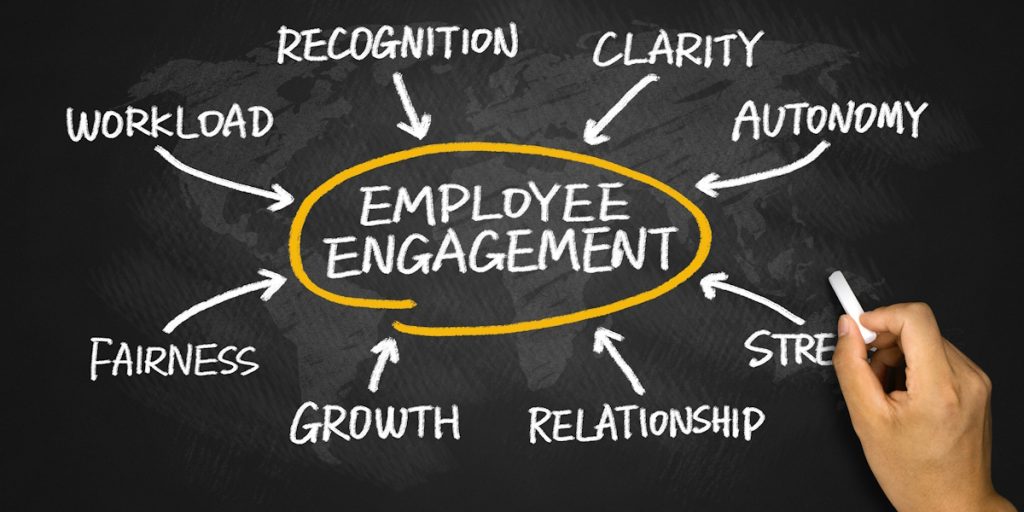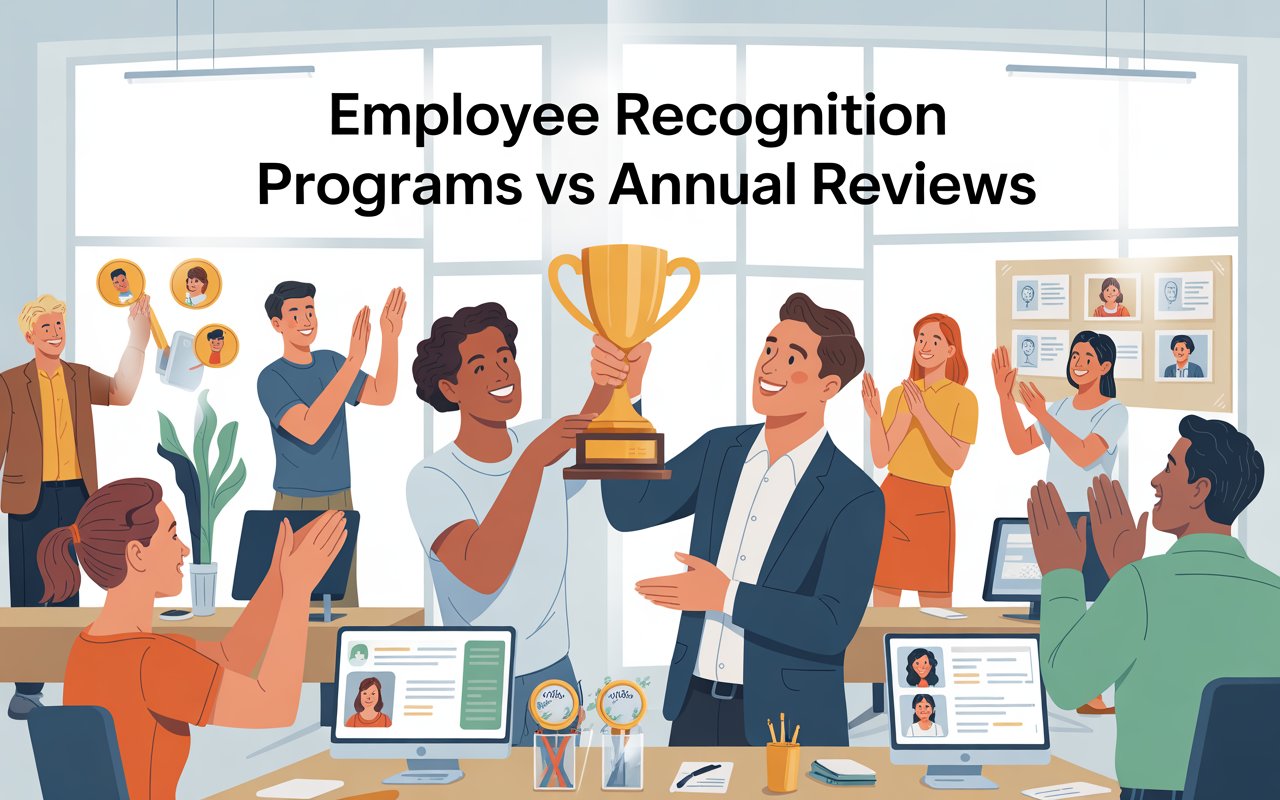
Employee recognition programs are becoming the cornerstone of modern workplaces because they focus on appreciating employees regularly rather than waiting for annual reviews. While traditional performance reviews evaluate employees once or twice a year, recognition programs celebrate achievements in real-time, boosting motivation and morale. Employees feel more valued when their efforts are acknowledged promptly, leading to higher engagement and overall productivity.
Annual reviews often feel like a routine checklist rather than a meaningful conversation. They may fail to address immediate accomplishments or challenges, leaving employees unsure of where they stand. On the other hand, a culture of continuous recognition encourages positive behavior and reinforces company values consistently, helping teams grow stronger and more cohesive over time.
The Limitations of Annual Reviews
Annual reviews were once considered the standard method to assess employee performance. However, they have several drawbacks that reduce their effectiveness. Employees often forget achievements from earlier months, making it difficult to provide accurate feedback. This delay can also make recognition feel less genuine, impacting motivation negatively.
Moreover, annual reviews tend to focus on weaknesses rather than strengths. Employees may leave these meetings feeling criticized or undervalued, which can decrease engagement. With the growing emphasis on workplace satisfaction and employee retention, relying solely on annual reviews can hinder a company’s ability to nurture talent effectively.
How Employee Recognition Programs Improve Engagement
Employee recognition programs provide frequent acknowledgment for achievements, creating a positive workplace environment. When employees are recognized for their contributions, it boosts their confidence and reinforces productive behavior. Using recognition programs as part of your employee engagement strategies ensures that accomplishments are noticed and appreciated in real-time.
Programs can include peer-to-peer recognition, shout-outs in team meetings, or digital platforms that highlight individual contributions. These efforts help employees feel connected to their work and the company’s goals, leading to improved morale and performance. Recognition programs also encourage teamwork, as employees celebrate each other’s successes and collaborate more effectively.
Real-Time Feedback Beats Annual Check-Ins
One key advantage of recognition programs over annual reviews is the ability to give real-time feedback. Continuous performance management allows managers to address challenges promptly and celebrate small wins as they happen. This timely feedback helps employees adjust their efforts, maintain high performance, and feel valued consistently.
Annual reviews, in contrast, provide feedback long after work has been completed. This delay can make the feedback less impactful and sometimes irrelevant. Incorporating real-time employee feedback into your recognition strategy ensures that employees receive acknowledgment when it matters most, which encourages sustained engagement.
Boosting Motivation and Morale
Recognition programs are highly effective in improving employee motivation. Employees who feel appreciated are more likely to take initiative, show creativity, and contribute beyond their basic responsibilities. Recognition can be as simple as a thank-you note, public acknowledgment, or small rewards for specific achievements.
By regularly celebrating contributions, companies can create a supportive culture where employees thrive. Boosting employee morale through recognition also reduces turnover rates and helps retain top talent. High morale directly impacts productivity, as motivated employees tend to perform better and engage more with their work.
Employee Recognition Programs Ideas
If you’re looking for practical ways to implement recognition programs, there are many creative approaches that go beyond the traditional “Employee of the Month” model. Consider employee recognition programs ideas such as team-based rewards, peer nominations, or personalized incentives.
These programs encourage employees to recognize each other’s efforts, strengthening teamwork and fostering a positive environment. Companies that adopt innovative recognition ideas see improved engagement, higher productivity, and a stronger sense of belonging among staff.
Why Recognition Programs Are More Effective
Employee recognition programs consistently outperform annual reviews because they create an ongoing cycle of feedback, appreciation, and motivation. While annual reviews may provide valuable insights, they are often too infrequent to influence day-to-day performance effectively. Recognition programs keep employees engaged, satisfied, and aligned with organizational goals.
Focusing on recognition helps build a culture where employees feel valued every day. Positive reinforcement encourages continued excellence and creates a workplace that attracts and retains top talent. For companies seeking sustained growth and high employee satisfaction, recognition programs are an essential tool that cannot be replaced by annual reviews alone.
FAQs About Employee Recognition Programs vs Annual Reviews
1. What are employee recognition programs?
Employee recognition programs are structured ways to acknowledge and reward employees for their achievements, contributions, or positive behaviors. These programs help boost employee engagement, motivation, and overall workplace morale.
2. How are recognition programs different from annual reviews?
Annual reviews typically assess performance once or twice a year and focus on evaluating past work. Recognition programs, on the other hand, provide real-time feedback, celebrate achievements consistently, and encourage ongoing engagement.
3. Why are recognition programs more effective than annual reviews?
Recognition programs are more effective because they acknowledge accomplishments immediately, reinforce positive behavior, and maintain high employee morale. Annual reviews are less frequent, which can delay feedback and reduce the impact on motivation.
4. What are some effective employee recognition program ideas?
Effective ideas include peer-to-peer recognition, team rewards, shout-outs during meetings, and personalized incentives. You can find more creative approaches in employee recognition programs ideas.
5. Can recognition programs improve employee retention?
Yes. Employees who feel valued and appreciated are more likely to stay with a company, reducing turnover and increasing long-term engagement. Recognition programs foster loyalty and strengthen workplace culture.
6. How often should employees be recognized?
Employees should be recognized as frequently as possible, ideally in real-time or at least monthly. Frequent acknowledgment ensures motivation remains high and contributions are consistently reinforced.
7. Can recognition programs replace annual performance reviews?
While recognition programs are highly effective, annual reviews still provide a formal evaluation of performance and goals. The best approach combines both: regular recognition for ongoing engagement and annual reviews for structured assessment.
How Often Does Your Team Receive Feedback Or Recognition?