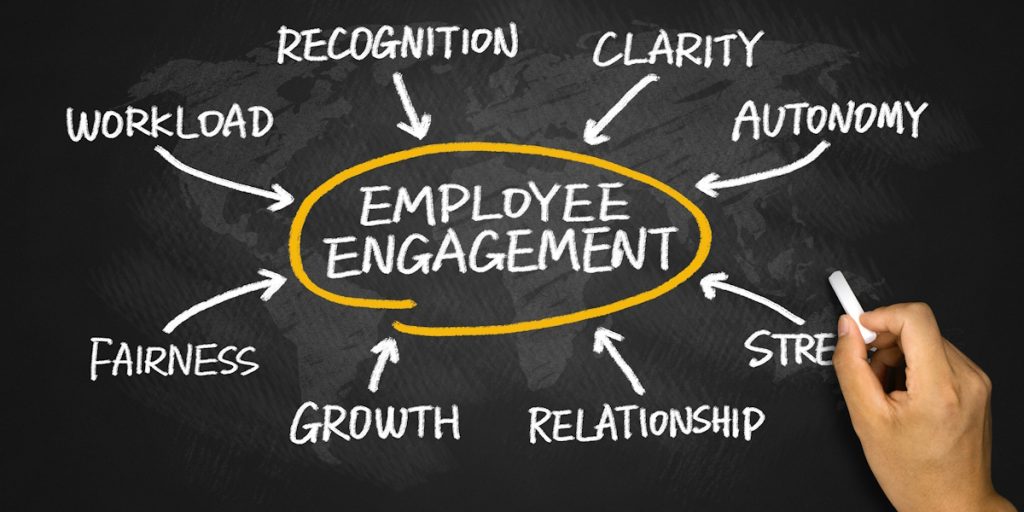
Employee turnover is not just a hiring problem. It is a sign that something deeper is missing in the workplace. Many companies invest in salaries, perks, and tools, yet people still leave. One major reason is simple: employees do not feel seen or valued in a meaningful way. This is where employee recognition to reduce turnover becomes a powerful strategy that many businesses overlook.
When recognition feels forced or generic, it does not create real impact. Employees want appreciation that feels personal and timely. If companies can shift their approach and focus on what people actually want, they can build stronger teams and reduce employee turnover in a lasting way.
Why Recognition Plays a Key Role in Retention
Recognition is more than saying “good job.” It shapes how employees feel about their work and their place in the company. When people feel valued, they are more likely to stay and contribute.
Many organizations still rely on outdated methods, such as annual reviews. These often fail because they are too infrequent and lack emotional connection. Instead, modern Employee recognition programs focus on real-time appreciation.
The Link Between Recognition and Employee Retention
Employees who receive regular and meaningful recognition are more engaged. This directly impacts retention. When people feel ignored, they start looking for better opportunities.
Using employee recognition to reduce turnover helps companies create a sense of belonging. It shows employees that their work matters every day, not just once a year.
Common Mistakes in Employee Recognition
Many companies think they are doing enough, but their efforts fall short. Some common mistakes include:
Generic Praise
A simple “great work” without context does not feel real. Employees want to know what they did well and why it matters.
Delayed Recognition
Waiting weeks or months to recognize someone reduces its value. Timely appreciation is key.
One-Size-Fits-All Approach
Not everyone values the same type of recognition. Some prefer public praise, while others prefer private feedback.
What Kind of Recognition Do People Actually Want?
To reduce employee turnover with recognition, companies need to understand what employees value. Recognition should feel genuine and personal.
Personalized Recognition Matters
Employees want recognition that reflects their effort and personality. A personalized message or reward can make a big difference. This is one of the most effective employee recognition ideas that work.
Peer-to-Peer Recognition
Recognition should not only come from managers. When team members appreciate each other, it builds stronger connections. This also supports a positive workplace culture.
Frequent and Real-Time Feedback
Waiting for formal reviews is not enough. Real-time feedback keeps employees motivated and aligned. It also strengthens employee recognition and engagement.
For a deeper understanding of how recognition drives engagement, you can read about employee recognition and engagement.
How Recognition Reduces Employee Turnover
Recognition impacts several key areas that influence whether employees stay or leave.
Builds Emotional Connection
When employees feel appreciated, they develop a stronger bond with the company. This emotional connection reduces the desire to leave.
Improves Workplace Culture
Recognition creates a culture where people support and value each other. A positive culture is one of the best employee retention strategies.
Increases Motivation and Performance
Employees who feel recognized are more motivated. They take pride in their work and perform better, which benefits the entire organization.
Strengthens Trust in Leadership
When leaders recognize employees regularly, it builds trust. Employees feel that their efforts are noticed and respected.
The Business Benefits of Employee Recognition
Recognition is not just about making employees feel good. It also has clear business value. Companies that invest in recognition often see better performance and lower hiring costs.
You can learn more about the business benefits of employee recognition and how it impacts overall results.
Using employee recognition to reduce turnover also helps companies save time and resources spent on hiring and training new employees.
Practical Ways to Build a Recognition Culture
Creating a strong recognition culture does not require a large budget. It requires consistency and intention.
Make Recognition Part of Daily Work
Encourage managers and teams to recognize small wins regularly. This keeps employees engaged and motivated.
Use Technology to Support Recognition
Recognition platforms can make it easier to track and share appreciation across teams. They also help maintain consistency.
Train Leaders to Recognize Effectively
Managers play a key role in recognition. Training them to give meaningful feedback can improve results.
Ask Employees What They Value
The best way to improve recognition is to ask employees directly. This ensures your approach matches their expectations.
Final Thoughts
Reducing employee turnover is not about quick fixes. It requires a deeper understanding of what employees need to feel valued. Recognition, when done right, can create lasting change.
By focusing on employee recognition to reduce turnover, companies can build stronger relationships, improve culture, and keep their best talent. The key is to move beyond generic praise and create recognition that people truly appreciate.
Do Your Employees Feel Genuinely Appreciated For Their Work?