Cash bonuses feel nice for a day. Then the money gets spent on rent or groceries, and the memory fades fast. Experience-based rewards work differently. They stick with people. They get talked about at dinner tables and shared in photos long after the reward is given. That is why more brands and HR teams are shifting their reward budgets away from flat cash and toward moments people actually remember.
This shift is not just a trend. It is backed by real behavior. People are wired to value experiences more than things, especially when those experiences feel personal. If you run a sales team, manage customer loyalty, or lead employee recognition, this guide breaks down three experiential rewards that genuinely move the needle on engagement and sales, written in plain language with no fluff.
Why Experience-Based Rewards Work Better Than Cash
Money is easy to give, but it rarely creates a lasting connection between a person and a brand. A gift card gets used and forgotten. A bonus check covers a bill. But a weekend trip, a cooking class, or a concert ticket creates a story. Stories get shared with friends and family, and that sharing builds loyalty in a way numbers on a paycheck never will.
Research from incentive and loyalty studies backs this up too. Many employees and customers say they would rather have a meaningful experience than the cash equivalent. That single fact should change how any business plans its reward strategy going forward, whether the goal is to keep employees motivated or to keep customers coming back.
The Emotional Connection Factor
Experiences trigger emotion, and emotion drives memory. When someone feels joy, surprise, or pride during a reward experience, that feeling attaches itself to your brand. This is far stronger than the brief satisfaction of seeing a number increase in a bank account. Over time, this emotional link turns into trust, and trust turns into repeat purchases or steady performance from a team.
1. Travel and Getaway Rewards
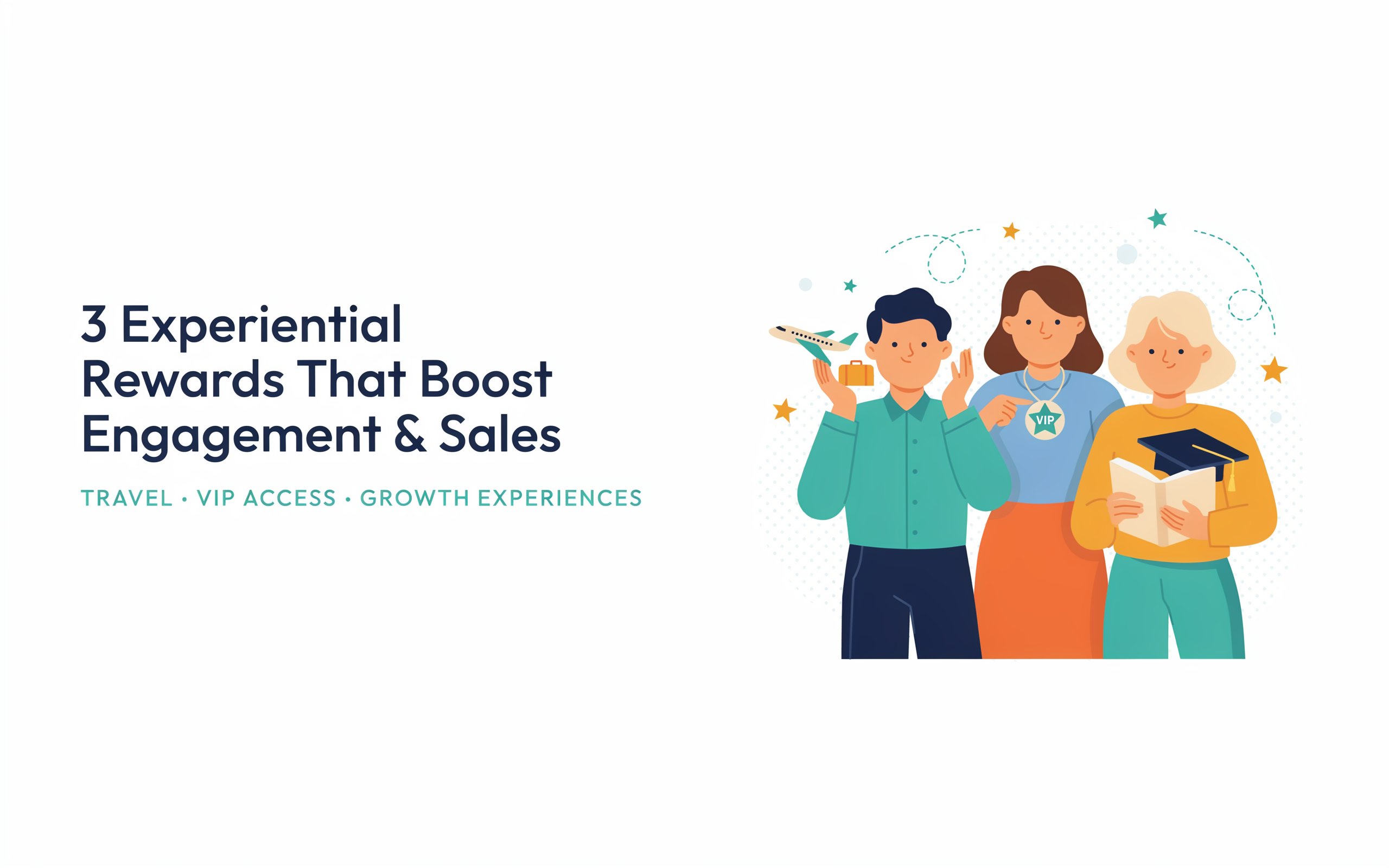
Travel rewards remain one of the strongest tools for boosting both sales performance and customer loyalty. A short getaway, a weekend trip, or even a local staycation gives people something to look forward to and talk about before, during, and after the trip.
For sales teams, travel incentives tied to performance targets often outperform cash bonuses of equal value. Salespeople push harder when the reward is a trip they will remember rather than a number they will barely notice in their bank statement.
How Brands Use Travel Rewards With Customers
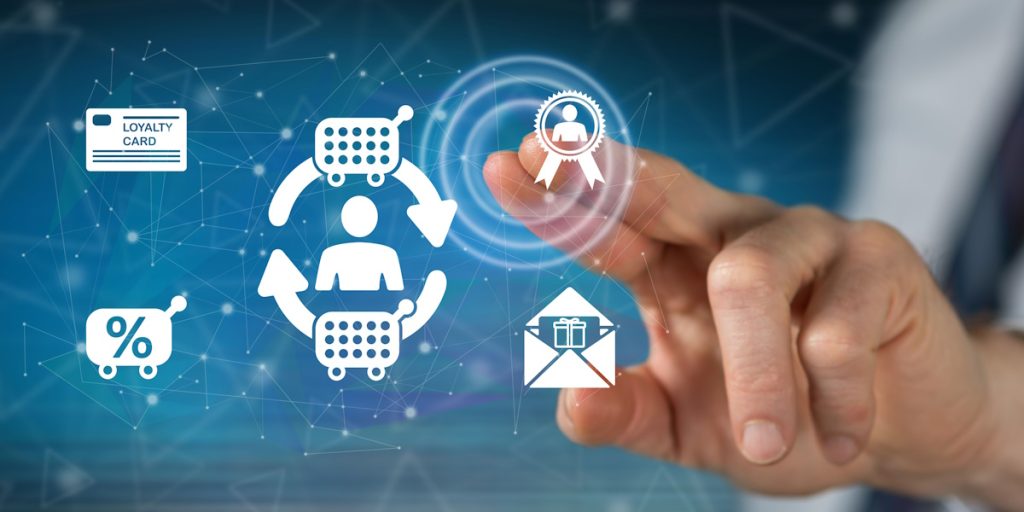
Retailers and loyalty programs increasingly offer travel-based redemptions instead of standard point catalogs. A customer who earns a hotel stay or a flight upgrade through a loyalty program feels valued in a way that a small discount code cannot match. This is part of the larger pattern seen in experiential rewards in B2C loyalty, where brands are rethinking what keeps shoppers engaged long term.
2. Exclusive Events and VIP Access
Giving someone access to something most people cannot get is a powerful motivator. This could be a concert with backstage passes, a private dinner with company leadership, or early access to a product launch. Exclusivity makes people feel special, and that feeling is hard to replicate with money.
Event-based rewards also create natural marketing moments. People post about VIP experiences on social media without being asked. This kind of organic sharing builds brand awareness in a way paid ads rarely match, and it costs the business nothing extra beyond the reward itself.
Why Exclusivity Drives Repeat Behavior
When customers or employees know that strong performance or loyalty unlocks exclusive access, they tend to repeat the behavior that earned it. This creates a cycle where engagement feeds rewards, and rewards feed more engagement. Sales teams chase the next big deal knowing a VIP experience might be the prize. Loyal customers keep buying, hoping for the next invite-only event.
3. Personalized Learning and Growth Experiences
Not every meaningful reward involves travel or parties. Some of the most appreciated rewards are personal growth opportunities, such as a paid course, a workshop with an expert, or a mentorship session with someone the employee admires. These rewards show that a company cares about a person’s future, not just their current output.
Growth-based experiences work especially well for employee engagement because they tie directly into career goals. A salesperson who receives funded training in a skill they want to learn is far more likely to stay loyal to the company than one who receives a one-time bonus.
Connecting Growth Rewards to Long-Term Loyalty
This approach also reflects a broader shift happening across loyalty and incentive strategy. Many programs are moving away from simple point systems toward rewards that build a real relationship with the participant. This pattern is well documented in research on experiential rewards in loyalty programs, where brands found that meaningful experiences kept members active far longer than point accumulation alone.
Bringing It All Together
Switching from cash and standard prizes to experience-based rewards is not a small tweak. It is a shift in how a business treats the people who drive its success, whether that is an employee closing deals or a customer choosing your brand over a competitor. Travel, exclusive access, and growth opportunities each tap into something cash cannot touch: a real memory tied to your brand.
Start small if you need to. Pick one team or one loyalty tier and test a single experience-based reward. Watch how people respond. The results often speak louder than any spreadsheet ever could, and that is the real reason experiential rewards continue to outperform traditional incentives across both sales and customer engagement programs.
Are You Still Relying Mostly On Cash Bonuses Or Gift Cards?