Many companies still rely on points to drive loyalty. Customers collect them. Employees earn them. Then they trade them for small items or gift cards. At first, this seems simple and safe. But over time, points lose their impact. They feel routine. They feel replaceable. And when rewards feel replaceable, loyalty weakens.
This is why experiential rewards in loyalty programs are gaining attention. Instead of offering another discount or catalog item, brands now offer moments people remember. A travel experience. A private event. A team celebration. These rewards create emotion, not just transactions. And emotion is what builds long-term loyalty.
What Are Experiential Rewards in Loyalty Programs?
Experiential rewards in loyalty programs are non-cash rewards that focus on creating memories instead of giving physical items or points. These may include travel programs, VIP events, curated adventures, or team-based incentive trips. Unlike traditional rewards, they focus on connection and shared moments.
For example, instead of offering 10,000 points, a company may reward top performers with a group travel experience. Instead of gift cards, customers may earn access to exclusive events. These are called experience-based incentives, and they work because people value memories more than objects.
You can see how companies are building deeper connections through curated experiences here:
👉 Experiential Rewards
Why Points-Based Loyalty Programs Are Losing Impact
Points-based systems are not new. Airlines, retailers, and banks have used them for decades. At first, they felt excited. But over time, customers began to see them as basic. Many people forget how many points they have. Others feel the rewards take too long to reach.
Points Feel Transactional, Not Emotional
Points are numbers. They do not create stories. When customers earn points, they think about value. When they earn experience, they think about meaning. This difference shapes behavior.
In a points vs experiential rewards comparison, points often win on simplicity. But experiences win on emotional impact. And emotional loyalty is stronger than rational loyalty.
Too Many Programs Offer the Same Thing
Most modern loyalty programs offer similar point systems. Earn, save, redeem. Because the structure looks the same everywhere, customers feel less attached to one brand. If another brand offers better points, they switch.
Experiential rewards change this pattern. A unique event or travel experience cannot be easily copied. It becomes a story tied to your brand.
How Experiential Rewards Increase Customer Loyalty
Companies now focus on long-term relationships instead of short-term sales. This shift has changed loyalty program rewards strategy across industries.
1. Experiences Build Emotional Loyalty
Research in behavioral science shows that people remember experiences longer than material rewards. When someone attends a special event or joins an incentive trip, they connect that memory with the brand.
This is where emotional loyalty marketing becomes powerful. The reward is not just a benefit. It becomes part of the person’s story.
2. Shared Moments Strengthen Brand Connection
Many experiential loyalty programs include group activities. These shared moments create a sense of belonging. Whether it is employee incentive experiences or customer travel programs, people feel valued when brands invest in real experiences.
That sense of value supports stronger retention.
3. Higher Perceived Value Than Points
Points often feel small unless they reach a high number. Experiences, however, feel premium from the start. Even one exclusive event can feel significant.
From an ROI of experiential rewards perspective, companies often see better engagement, stronger retention, and improved advocacy. People talk about experiences. They rarely talk about points.
Experiential Rewards vs Points: A Clear Comparison
Let’s break it down clearly:
Engagement
- Points: Steady but low emotional engagement
- Experiential rewards: High emotional engagement
Differentiation
- Points: Easy to copy
- Experiences: Unique and harder to replicate
Long-Term Impact
- Points: Short-term motivation
- Experience-based incentives: Long-lasting brand attachment
This is why many brands are shifting from purely transactional systems toward non-monetary rewards programs built around experiences.
The Role of Experiential Rewards in Modern Loyalty Programs
Modern loyalty programs are no longer just about collecting data and pushing discounts. They aim to build trust and long-term relationships.
Moving From Transactions to Relationships
Traditional programs reward behavior. Experiential programs reward commitment. This small change in focus creates a large difference in results.
Companies that invest in customer loyalty rewards ideas centered on experiences often see better repeat behavior and stronger referrals.
Supporting Employee Engagement
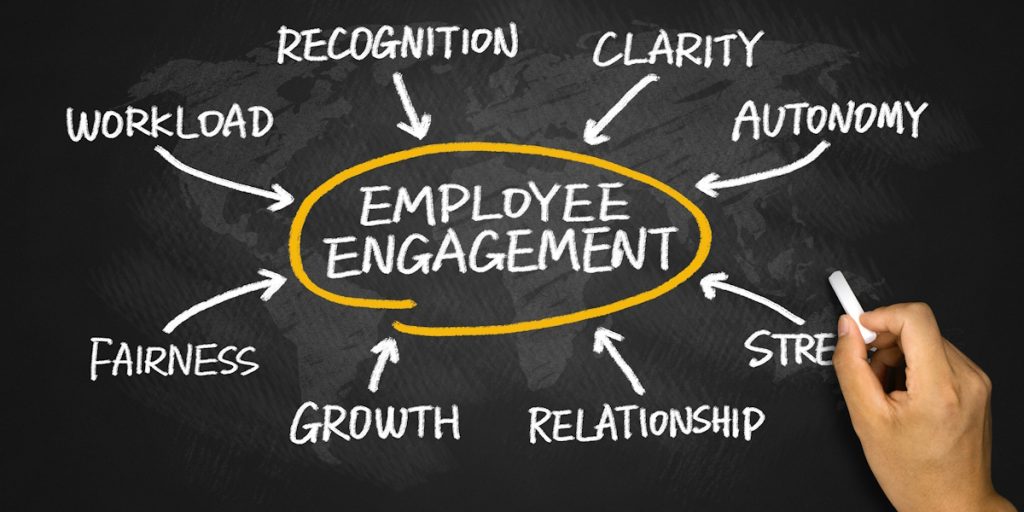
It is not only customers who respond well to experiences. Employee engagement through experiences has become a key strategy in many industries. Incentive travel programs, team retreats, and curated events can improve morale and performance.
When employees feel valued, they perform better. When customers feel valued, they stay longer. Experiences support both goals.
How to Design an Experiential Loyalty Program
If a company wants to shift from points to experiences, planning is important.
Understand Your Audience
Not all audiences want the same reward. Some prefer to travel. Others prefer exclusive access to events. Clear research helps shape the right reward program engagement strategies.
Align With Brand Values
Experiences should reflect the brand’s identity. A luxury brand may offer premium travel. A tech company may offer innovation-focused events. Alignment strengthens brand image.
Measure Results Beyond Sales
When evaluating the ROI of experiential rewards, look at retention rates, referral growth, engagement levels, and satisfaction scores. Loyalty is more than revenue. It is about connection.
Final Thoughts
Points still have a place in loyalty programs. They are simple. They are easy to manage. But they rarely inspire strong emotional ties.
Experiential rewards in loyalty programs create moments people remember. They increase engagement. They build emotional loyalty. They differentiate brands in crowded markets.
As businesses rethink their reward strategies, the shift from numbers to experiences is becoming clear. In a world where customers have many choices, meaningful experiences stand out. And when loyalty feels personal, it lasts much longer.
Are your loyalty rewards creating real memories, or just collecting unused points?