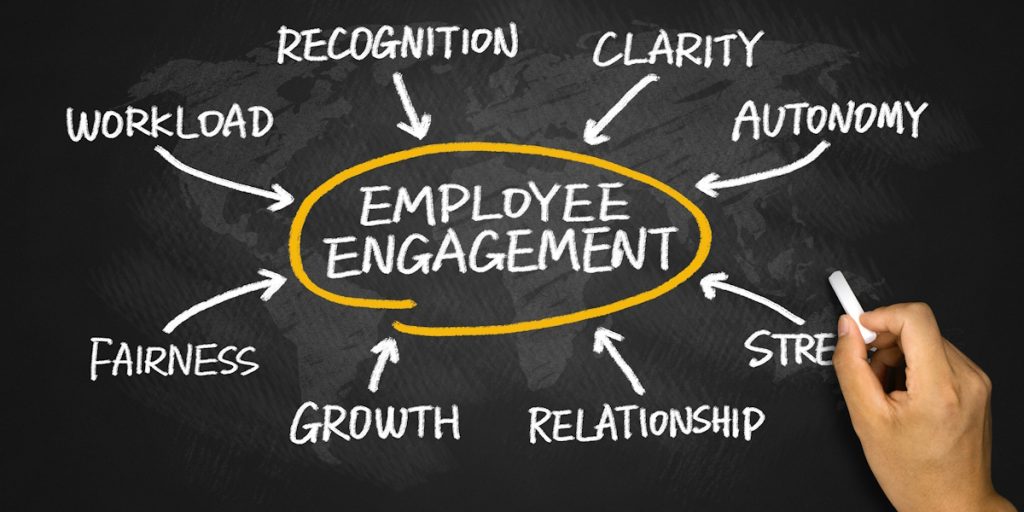
Employee recognition is more than a simple “thank you.” It is a strategic approach that strengthens engagement, motivation, and performance across an organization. Recognizing employees for their contributions not only boosts morale but also influences tangible business results. When employees feel valued, they are more likely to be productive, committed, and aligned with organizational goals. Understanding how recognition impacts both people and business outcomes is essential for any company seeking sustainable growth.
Investing in recognition initiatives shows employees that their efforts matter. This leads to improved retention, higher engagement, and stronger workplace culture. The connection between recognition and measurable outcomes illustrates why measuring the impact of employee recognition on business ROI is critical. By linking recognition efforts to performance and business metrics, organizations can make informed decisions that benefit both employees and the bottom line.
Why Recognition Programs Drive Business Success
Employee recognition is a vital tool for business performance. Organizations that implement structured employee recognition programs report higher engagement, stronger team collaboration, and lower turnover rates. Recognition is not just about boosting morale; it actively influences productivity, innovation, and customer satisfaction.
A culture of acknowledgment encourages employees to consistently perform at their best. By rewarding achievements, businesses reinforce behaviors that contribute to long-term success. Recognition programs help leaders highlight what matters most, ensuring employees are aligned with company objectives. This alignment translates into measurable gains, demonstrating the tangible business benefits of employee recognition.
Tracking Employee Recognition ROI
Quantifying the impact of recognition programs is essential. Measuring Employee Recognition ROI helps organizations understand the return on investment of time, resources, and rewards spent on employees. ROI includes both financial metrics—like productivity and retention—and intangible benefits, such as engagement and workplace culture.
By tracking recognition outcomes, companies can identify which programs are most effective. This data-driven approach ensures recognition efforts support business objectives. Linking recognition to measurable performance also allows leaders to refine programs, creating greater value for employees and the organization alike.
Timely and Consistent Recognition
The effectiveness of recognition depends on timing and consistency. Timely and consistent recognition reinforces positive behaviors, encourages repeated excellence, and prevents disengagement. Delayed or inconsistent acknowledgment can make employees feel overlooked, reducing motivation and productivity.
Organizations that maintain regular recognition, whether peer-to-peer or manager-led, foster stronger team dynamics and a more motivated workforce. Consistency in recognition supports a culture of appreciation, where employees feel valued for their ongoing contributions, resulting in higher engagement and improved outcomes.
Recognition as a Driver of Employee Motivation
Recognition is a key factor in employee motivation. Employees who feel appreciated are more committed, productive, and willing to contribute to organizational success. The role of recognition in employee motivation extends beyond individual satisfaction—it reduces burnout and promotes a positive work environment.
Motivated employees are not only more efficient but also more innovative. Acknowledging efforts and accomplishments provides purpose, encourages initiative, and strengthens the connection between employee performance and business results. This makes recognition a critical tool for fostering long-term growth.
Employee Rewards and Recognition Programs
Pairing recognition with tangible rewards amplifies its impact. Employee rewards and recognition programs motivate employees to repeat desired behaviors and reinforce organizational values. Rewards, whether monetary, experiential, or symbolic, signal that the company values employees’ contributions.
Investing in recognition programs is a strategic business decision. Companies that embed recognition into daily operations experience measurable benefits: higher productivity, improved morale, and better retention. Recognizing and rewarding employees transforms engagement into a business advantage, providing clear ROI.
Conclusion
The business benefits of employee recognition are evident: increased engagement, higher productivity, reduced turnover, and a stronger workplace culture. By implementing timely, consistent, and data-driven recognition strategies, organizations can link employee acknowledgment directly to measurable business results. Recognizing employees is not only a tool for motivation but a proven investment that impacts the bottom line.
Businesses that measure the impact of recognition understand its value and can refine programs for maximum ROI, creating a thriving, motivated, and loyal workforce that drives long-term success.
FAQs:
Q1: What are the business benefits of employee recognition?
Employee recognition improves engagement, motivation, and productivity. It also reduces turnover, encourages positive behaviors, and strengthens workplace culture. Companies that invest in recognition programs often see measurable ROI through better performance and employee retention.
Q2: How does employee recognition impact ROI?
Recognition programs directly affect business ROI by increasing productivity, reducing absenteeism, and lowering turnover costs. By tracking Employee Recognition ROI, organizations can quantify the value of recognition in financial and performance terms.
Q3: What makes a recognition program effective?
Effective recognition programs are timely, consistent, and aligned with business goals. Structured employee recognition programs that acknowledge accomplishments frequently create a motivated workforce and higher engagement levels.
Q4: Why is timely recognition important?
Timely and consistent recognition reinforces positive behaviors and prevents disengagement. Acknowledging contributions promptly ensures employees feel valued and encourages them to maintain high performance.
Q5: How does recognition influence employee motivation?
Recognition plays a crucial role in employee motivation. Employees who feel appreciated are more engaged, productive, and committed to organizational goals. Motivation from recognition can also reduce burnout and improve workplace morale.
Q6: Can rewards enhance recognition programs?
Yes. Combining acknowledgment with tangible employee rewards and recognition reinforces desired behaviors, boosts engagement, and delivers measurable business benefits. Rewards make recognition programs more impactful and help justify ROI.
Q7: How can businesses measure the success of recognition programs?
Businesses can measure success through engagement surveys, productivity metrics, retention rates, and ROI calculations. Tracking performance and behavioral changes shows which recognition initiatives provide the most value and impact.
Are Recognition Efforts Tied To Measurable Business Outcomes Like Productivity Or Retention?