Building lasting relationships with business clients goes beyond offering standard rewards. Traditional points-based systems can often feel transactional and fail to create real emotional connections. Companies are realizing that prioritizing meaningful experiences in their loyalty programs can lead to stronger engagement, deeper trust, and higher retention. This shift highlights why experience over points in B2B loyalty programs is becoming the preferred strategy for modern businesses.
Rather than simply accumulating points for discounts or products, B2B clients value recognition, personalized interactions, and unique experiences. These experiential rewards make clients feel valued and strengthen long-term partnerships. By focusing on the quality of engagement instead of the quantity of points, companies can encourage loyalty that translates into increased business opportunities, advocacy, and sustainable growth.
Why Experience Matters More Than Points
Traditional loyalty programs often focus heavily on points accumulation, which can create a purely transactional relationship. While points and rewards are useful, they may not inspire genuine loyalty or repeat business. Experiential rewards in loyalty programs offer something more meaningful: they provide memorable interactions that build an emotional connection between your brand and your clients.
Business clients are more likely to engage with programs that recognize their individual achievements and provide unique benefits. Experiences such as exclusive events, training sessions, or VIP access go beyond points and create lasting impressions. They transform your loyalty program from a simple incentive system into a strategic tool for client retention.
Benefits of Prioritizing Experience
Stronger Client Relationships
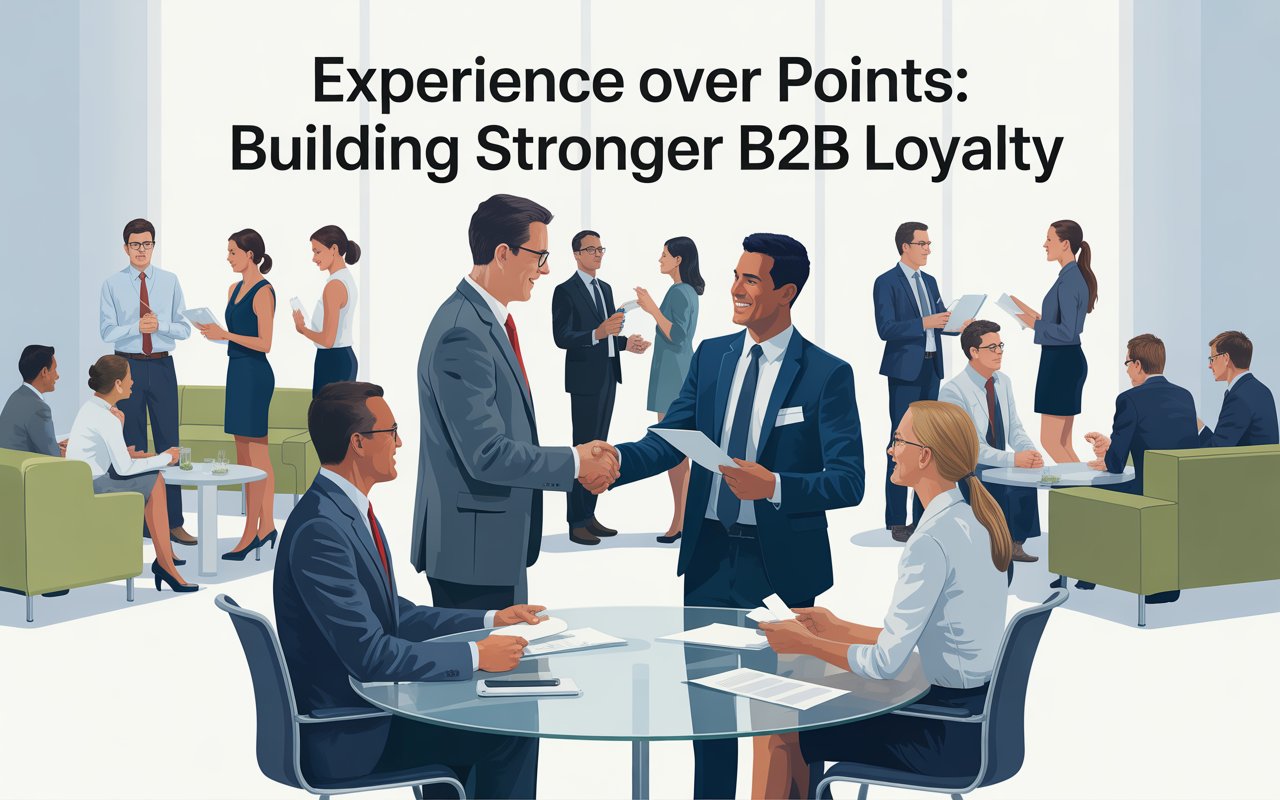
Providing experiences rather than just points encourages interaction and dialogue. B2B loyalty programs that include workshops, networking events, or appreciation dinners allow businesses to engage directly with their clients, building trust and loyalty over time.
Higher Engagement Rates
Clients are more likely to participate in loyalty programs that offer meaningful experiences. Engagement metrics improve when the program emphasizes personalization, relevance, and exclusivity rather than just numbers on a dashboard.
Improved ROI
While points programs may seem cost-effective, experiential rewards can deliver a higher return on investment. Clients are more likely to renew contracts, expand purchases, or recommend your services after participating in a thoughtful experience. This aligns with business goals beyond immediate transactions.
Types of Experiences That Work
Educational and Skill-Based Experiences
Offering webinars, training sessions, or certifications helps your clients grow professionally while associating your brand with value beyond products or services.
Exclusive Events
Invite clients to special events, private dinners, or industry conferences. These moments foster networking opportunities, strengthen relationships, and create memories that points alone cannot provide.
Recognition and Personalization
Recognize achievements, anniversaries, or milestones in ways that resonate personally with clients. Personalized gestures can leave a longer-lasting impression than generic rewards.
Implementing Experience-Focused B2B Loyalty Programs
To shift from points to experience, businesses must understand client preferences. Conduct surveys, analyze behavior, and gather feedback to design experiences that truly resonate. Integration with technology can help track engagement, tailor offerings, and ensure every experience aligns with client expectations.
It’s also essential to create a balance. While experiences should be central, small points-based incentives can complement them without taking focus away from the emotional connection. Combining experiential rewards with strategic use of points can maximize both satisfaction and retention.
Measuring the Impact of Experience Over Points
Key performance indicators for experience-driven programs go beyond redemption rates. Consider metrics such as:
- Client satisfaction and feedback
- Repeat business and contract renewals
- Engagement in events or learning programs
- Referrals and advocacy
Tracking these metrics allows businesses to quantify the effectiveness of prioritizing experiences, ensuring that the loyalty program aligns with broader business goals.
Conclusion
The landscape of loyalty programs is evolving, and B2B companies can no longer rely solely on points. By focusing on meaningful, personalized experiences, businesses can strengthen client relationships, improve engagement, and drive long-term growth. Experience over points in B2B loyalty programs is not just a trend—it is a strategic approach to loyalty that yields measurable results.
Frequently Asked Questions
1. What are B2B loyalty programs?
B2B loyalty programs are structured initiatives that reward business clients for repeat engagement, purchases, or partnerships. Unlike consumer-focused programs, these are designed to strengthen professional relationships, improve client retention, and increase long-term revenue.
2. Why are experiences more effective than points in B2B loyalty programs?
Experiences create emotional connections and memorable interactions that points alone cannot achieve. Experience over points in B2B loyalty programs fosters trust, engagement, and loyalty, encouraging clients to continue partnerships and advocate for your brand.
3. What types of experiential rewards work best in B2B loyalty programs?
Effective experiential rewards include exclusive events, training sessions, workshops, certifications, and personalized recognition. These rewards provide value, build relationships, and make clients feel appreciated beyond standard transactional incentives.
4. How can a business implement an experience-focused loyalty program?
Start by understanding client preferences through surveys, data analysis, and feedback. Design personalized experiences that align with client needs and integrate technology to track engagement. A balanced approach may combine small points-based rewards with larger experiential offerings for maximum impact.
5. How do you measure the success of experiential loyalty programs?
Success can be measured through client satisfaction, repeat business, participation in events, and referrals. Tracking engagement, contract renewals, and advocacy metrics helps businesses assess the ROI of prioritizing experiential rewards in loyalty programs over points.
6. Can points-based rewards still be used in B2B loyalty programs?
Yes. Points can complement experiences, but they should not be the core focus. When paired with well-designed experiential rewards, points add flexibility without reducing the emotional impact of personalized client engagement.
Could Experiential Rewards Help Strengthen Your Client Relationships?