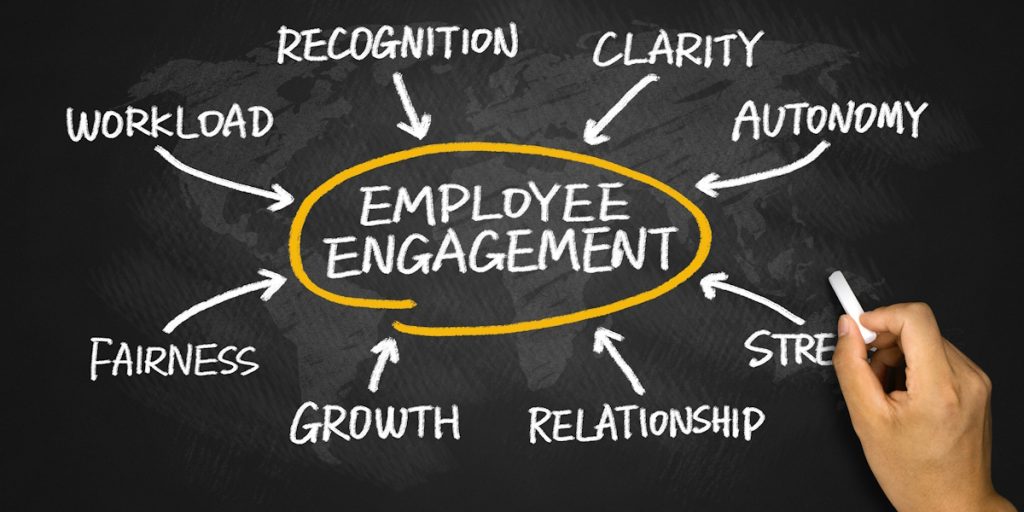
Employee recognition is often treated as an optional effort—something companies focus on only after hitting revenue goals or scaling teams. But this way of thinking creates gaps in motivation, trust, and performance. An effective employee recognition program directly shapes how people feel about their work, their leaders, and their future in the company. When employees feel noticed and valued, they show up with more focus and purpose.
Organizations that overlook recognition usually pay for it in other ways. Low morale, weak engagement, and high turnover are not random problems. They are signals that employees do not feel appreciated. Recognition is no longer about simple praise. It has become a core part of how businesses retain talent, support performance, and build strong teams that last.
Employee recognition works because it connects effort with meaning. People want to know their work matters. When companies recognize contributions in a fair and consistent way, employees feel respected. This feeling turns into better results, stronger loyalty, and a healthier workplace culture.
Employee Recognition as a Business Driver
Employee recognition plays a direct role in business outcomes. It is not only about feeling good at work. When employees receive recognition, they are more likely to stay focused, meet goals, and support their teammates. Recognition helps reinforce the behaviors that move the business forward.
How Recognition Impacts Performance
Recognition helps employees understand what success looks like. When managers highlight specific actions or results, employees know what to repeat. This clarity improves productivity and reduces confusion. A structured employee recognition program ensures that praise is not random but aligned with business priorities.
Employees who receive regular recognition often show higher motivation levels. They are more willing to take ownership of tasks and solve problems. Over time, this leads to stronger performance across teams.
Recognition and Employee Engagement
Employee engagement grows when people feel seen. Recognition creates emotional connection between employees and the organization. Engaged employees are more attentive, more creative, and more willing to contribute beyond basic duties.
Recognition also strengthens trust. When leaders consistently acknowledge effort, employees feel supported. This trust improves communication and teamwork, which are essential for long-term success.
Why Recognition Is Essential for Retention
Employee turnover is costly. Hiring, training, and onboarding new employees require time and money. Recognition helps reduce these costs by improving retention. Employees who feel valued are less likely to look for opportunities elsewhere.
Recognition Builds Loyalty
Loyalty grows when employees feel appreciated for their contributions. Recognition shows that the organization values people, not just results. This sense of respect creates long-term commitment.
A strong employee recognition program helps employees feel connected to the company’s mission. When people believe their work matters, they are more likely to stay, even during challenging periods.
Reducing Burnout Through Recognition
Burnout often happens when effort goes unnoticed. Employees who work hard without acknowledgement can feel drained. Recognition helps prevent this by reminding employees that their work is meaningful.
Simple recognition actions—when done consistently—can improve energy levels and job satisfaction. This leads to better mental well-being and sustained performance.
Creating a Recognition-Driven Workplace Culture
Recognition should not depend on mood or timing. It works best when it is built into daily operations. A recognition-driven culture encourages positive behavior and mutual respect across all levels of the organization.
Recognition Should Be Consistent and Fair
Employees quickly notice when recognition feels uneven. Fair recognition builds trust, while inconsistency creates frustration. Clear guidelines help ensure recognition is based on effort and results, not personal preference.
Consistency also helps employees know what is expected. When recognition aligns with company values, it reinforces desired behaviors naturally.
Peer-to-Peer Recognition Matters
Recognition does not always need to come from leadership. Peer recognition strengthens teamwork and collaboration. When employees recognize each other, it builds stronger relationships and shared accountability.
Peer recognition also creates a more supportive environment. Employees feel comfortable celebrating wins together, which improves morale and connection.
The Strategic Value of Employee Recognition
Recognition is not just an HR activity. It supports broader business goals. Companies that treat recognition as a strategy see stronger alignment between people and performance.
Recognition Supports Business Goals
When recognition is tied to goals, it helps employees understand how their work contributes to success. This alignment improves focus and results. Employees are more likely to prioritize tasks that are recognized and rewarded.
Organizations that invest in recognition often see improvements in efficiency and customer satisfaction. Engaged employees deliver better experiences, which directly impacts business growth.
Long-Term Benefits of Recognition Programs
A well-designed employee recognition program evolves with the organization. It adapts to changes in workforce needs and business direction. This flexibility keeps recognition relevant and effective.
Recognition also supports leadership development. Managers who recognize well tend to communicate better and build stronger teams. Over time, this improves leadership quality across the organization.
Why Recognition Can No Longer Be Optional
Employee expectations have changed. People want workplaces that value effort, respect individuality, and support growth. Recognition addresses these needs in a simple but powerful way.
Ignoring recognition creates silent risks. Disengaged employees may stay physically present but mentally detached. Recognition helps prevent this by creating emotional investment in work.
The importance of employee recognition becomes clear when businesses look at engagement, retention, and performance together. Recognition is not an extra benefit. It is a foundation for sustainable success.
Companies that treat recognition as a business priority build stronger teams and better results. Those that delay often struggle to catch up. Recognition is no longer optional—it is essential for organizations that want to grow with committed, motivated people.
Are Your Employees Feeling Truly Recognized—Or Just Expected To Perform?