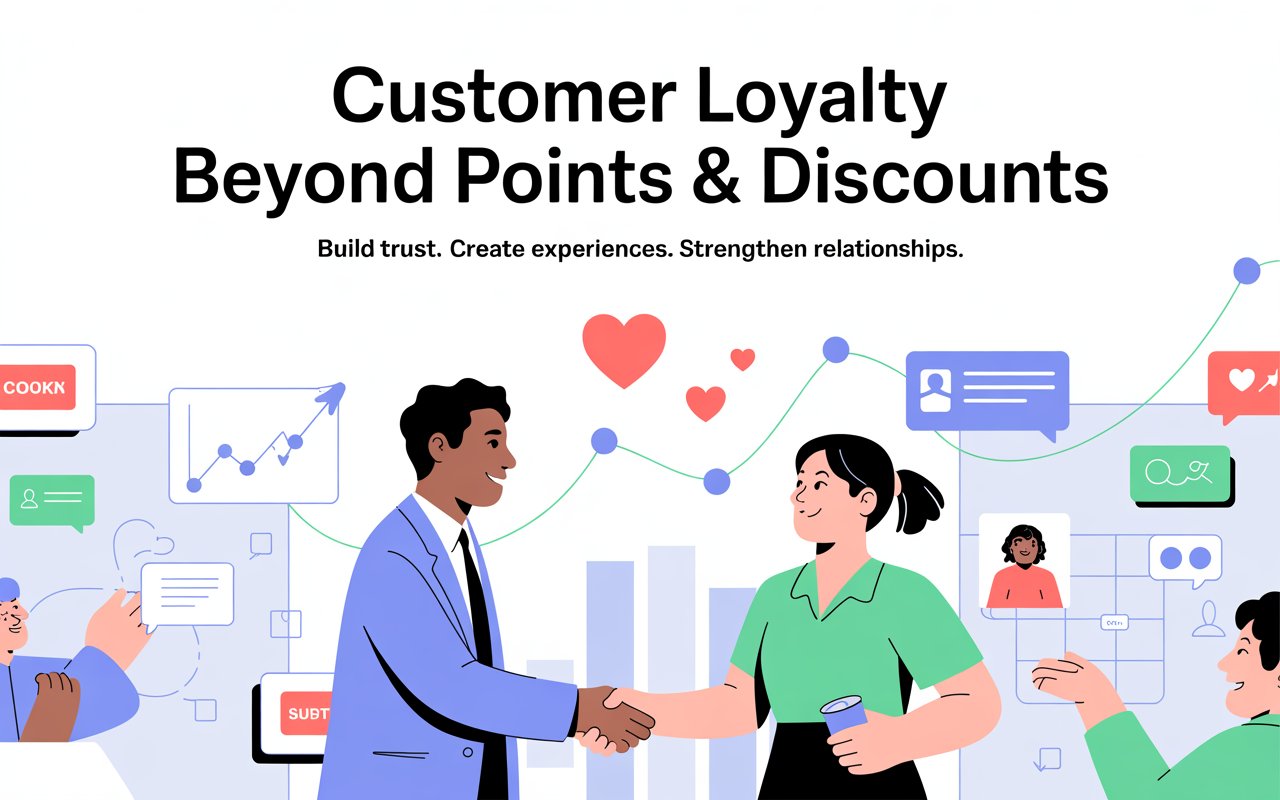
Many businesses still believe that offering points, discounts, or cashback is enough to keep customers coming back. At first, it may work. People enjoy saving money, and rewards can create quick interest. But over time, this approach starts to lose its impact. Customers begin to expect discounts instead of valuing the brand, and loyalty becomes tied to price rather than trust. That is why customer loyalty beyond rewards has become a key focus for modern businesses. True loyalty is not built on transactions alone. It grows from meaningful experiences, emotional connection, and consistent value. If brands want long-term success, they need to go deeper than simple incentives and rethink how they engage with their customers.
What Is Customer Loyalty Beyond Rewards?
Customer loyalty beyond rewards means building relationships that are not based only on points or discounts. It focuses on how customers feel about your brand, not just what they receive from it.
Many traditional customer loyalty programs focus on transactions. Customers earn points, redeem them, and repeat the cycle. While this system is simple, it often leads to short-term engagement. For a deeper understanding of how this works, you can read more about Customer loyalty programs.
Modern customer loyalty strategies go further. They aim to create emotional loyalty, where customers choose your brand even when there are cheaper options available. This shift is what separates average brands from strong, lasting ones.
Why Points and Discounts Alone Are Not Enough
They Create Price-Sensitive Customers
When customers stay only for discounts, they are likely to leave when a better offer appears. This weakens customer retention strategies and reduces long-term value.
They Do Not Build Emotional Connection
Points do not create feelings. Customers may use your product, but they do not feel attached to your brand. Without emotional loyalty, there is no real commitment.
They Lower Brand Value Over Time
Constant discounts can make your brand look cheap instead of valuable. This can harm your reputation and reduce trust.
They Limit Loyalty Program Effectiveness
If your loyalty program effectiveness depends only on rewards, it becomes easy to copy. Competitors can offer similar or better deals, making it hard to stand out.
The Shift Toward Emotional Loyalty
What Is Emotional Loyalty?
Emotional loyalty is when customers choose your brand because they trust it and feel connected to it. It is not about price. It is about experience, service, and values.
Why It Matters
Businesses that focus on emotional loyalty often see stronger customer engagement strategies and better long-term growth. Customers who feel valued are more likely to recommend your brand and stay loyal for years.
Emotional Loyalty vs Transactional Loyalty
- Transactional loyalty is driven by rewards
- Emotional loyalty is driven by trust and experience
The goal is not to remove rewards but to combine them with meaningful interactions.
How to Build Customer Loyalty Without Relying on Discounts
1. Focus on Customer Experience
A smooth and enjoyable experience plays a major role in customer experience and loyalty. From website navigation to customer support, every interaction matters.
2. Personalize Customer Interactions
Customers expect brands to understand their needs. Personalized messages, offers, and recommendations can improve customer retention strategies and make customers feel valued.
3. Reward Behavior, Not Just Purchases
Instead of giving points only for spending, reward actions like referrals, feedback, or social engagement. This approach improves loyalty program effectiveness and encourages deeper involvement.
4. Build Trust Through Transparency
Clear communication builds trust. Be honest about pricing, policies, and changes. Trust is a strong driver of building customer loyalty.
5. Create a Sense of Community
People like to feel part of something. Communities, events, and shared values help improve customer engagement strategies and strengthen emotional bonds.
Real-World Examples of Successful Customer Loyalty Strategies
Many brands have moved beyond basic rewards and built strong loyalty through experience and connection.
- Brands that offer exclusive access or early product releases create excitement and belonging
- Companies that focus on customer service build trust and long-term relationships
- Businesses that align with customer values create deeper emotional connections
These approaches show that customer loyalty beyond rewards is not just a theory. It works in real business scenarios.
The Future of Customer Loyalty Programs
The future of customer loyalty programs lies in combining technology with human connection. Data can help understand customer behavior, but emotional engagement keeps customers loyal.
Modern customer loyalty solutions are now focusing on:
- Personalized experiences
- Omnichannel engagement
- Behavior-based rewards
- Stronger customer relationships
Businesses that adapt to these trends will see better results in customer loyalty trends 2026 and beyond.
Conclusion
Building loyalty is no longer just about giving points or discounts. While rewards can attract customers, they are not enough to keep them for the long term. Brands need to focus on trust, experience, and emotional connection.
By shifting toward customer loyalty beyond rewards, businesses can create stronger relationships, improve customer retention strategies, and stand out in a crowded market. The brands that succeed will be the ones that understand their customers, value them, and build loyalty that goes deeper than transactions.
Are Your Customers Truly Loyal To Your Brand, Or Just To Your Offers?