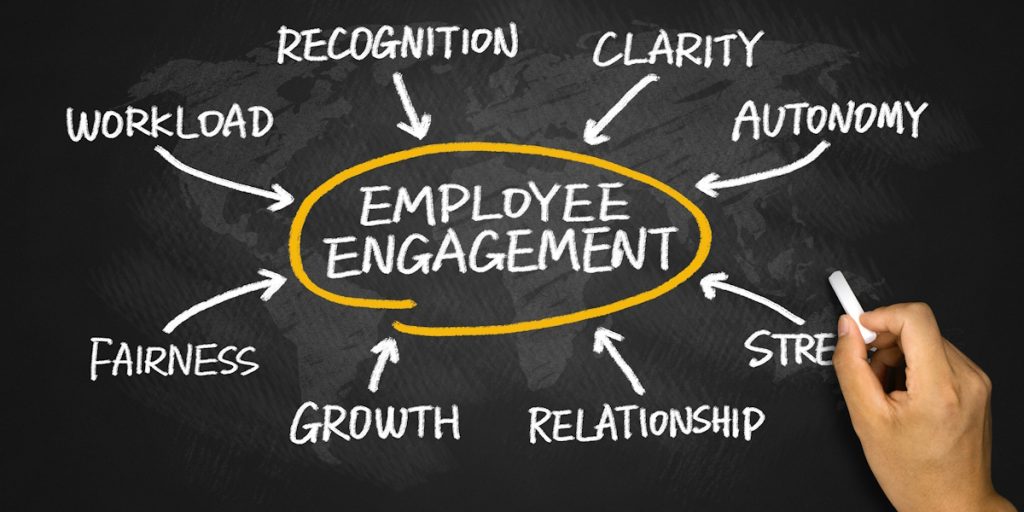
Work takes up a large part of our lives. For many people, how they feel at work affects how they feel at home too. When effort goes unnoticed, stress slowly builds. Motivation drops, confidence fades, and mental health can suffer. On the other hand, feeling valued can change how employees think, feel, and perform every day. Employee recognition and mental health are closely connected. A simple “thank you” or public appreciation can reduce stress, improve mood, and create a sense of belonging. Recognition is not just a nice gesture. It plays a real role in employee mental health and well-being, shaping how people experience their workplace.
Understanding the Link Between Recognition and Mental Health
Recognition at work is more than rewards or points. It is about acknowledging effort, behavior, and results in a meaningful way.
Why Recognition Matters to Employees
Employees want to feel that their work has value. When recognition is regular and fair, people feel respected. This respect helps reduce anxiety and emotional pressure. It also builds trust between employees and leadership, which supports workplace mental health.
Lack of recognition often leads to frustration and self-doubt. Over time, this can increase stress levels and lead to burnout. Recognition acts as emotional support, helping employees feel secure and confident in their roles.
How Employee Recognition Improves Mental Health
Recognition has a direct and positive impact on how employees feel at work.
Reduces Stress and Workplace Pressure
When employees know their efforts are seen, they worry less about job security and performance doubts. Recognition provides reassurance. This lowers daily stress and helps employees stay focused without constant fear of failure.
Reducing workplace stress also improves emotional well-being. Employees feel calmer, more balanced, and better prepared to handle challenges.
Boosts Confidence and Self-Worth
Recognition reinforces positive behavior. It tells employees they are capable and trusted. This boosts self-esteem and helps people believe in their abilities.
High confidence supports mental well-being. Employees are more open to sharing ideas, asking for help, and learning new skills when they feel valued.
Recognition and Emotional Well-being at Work
Emotional health plays a major role in employee engagement and satisfaction.
Creates a Sense of Belonging
Being recognized makes employees feel included. They feel like they matter to the organization. This sense of belonging strengthens emotional well-being and reduces feelings of isolation.
A supportive workplace where recognition is common encourages openness and respect. Employees feel safe expressing themselves, which supports psychological safety at work.
Encourages Positive Emotions
Recognition triggers positive emotions such as happiness and pride. These emotions improve mood and help employees stay motivated throughout the day.
Positive feelings at work often carry over into personal life, improving overall well-being.
The Role of Recognition in Preventing Burnout
Burnout is a growing concern in many workplaces.
How Recognition Helps Prevent Burnout
Burnout often comes from feeling overworked and underappreciated. Recognition balances effort with appreciation. When employees feel seen, they are less likely to feel drained or disconnected.
Recognition also reminds employees that their work has meaning. This sense of purpose protects against emotional exhaustion.
Encouraging Healthy Work Habits
Recognition does not always need to reward long hours. It can encourage healthy behavior such as teamwork, balance, and smart work. This supports long-term mental health at work.
Building a Positive Work Culture Through Recognition
Workplace recognition benefits both employees and organizations.
Strengthening Workplace Relationships
Recognition improves relationships between teams and leaders. It creates mutual respect and understanding. Strong relationships reduce conflict and improve emotional safety.
When employees feel supported, they are more likely to support others. This builds a positive work culture where people care about each other’s well-being.
Improving Employee Engagement and Satisfaction
Recognized employees are more engaged. They care more about their work and the organization. This improves employee engagement and satisfaction while reducing turnover.
Employee recognition and mental health are linked to retention strategies. People are more likely to stay where they feel valued.
Making Recognition Part of Daily Work Life
Recognition should be consistent, not occasional.
Simple Ways to Practice Recognition
- Thank employees for specific actions
- Acknowledge efforts during meetings
- Encourage peer-to-peer recognition
- Celebrate small wins, not just big results
These small actions can have a strong impact on employee mental health and well-being.
Recognition Programs That Support Well-being
Structured recognition programs help ensure fairness and consistency. When done right, they support workplace mental health by creating clear expectations and positive reinforcement.
Recognition programs should feel genuine and human, not forced or robotic.
Why Recognition Is a Long-Term Investment in Well-being
Recognition is not a short-term fix. It is an ongoing practice that shapes how employees feel over time.
Organizations that focus on recognition build a supportive workplace. This reduces stress, improves emotional well-being, and creates stronger teams. Employees feel motivated, respected, and mentally supported.
By prioritizing employee recognition and mental health, companies can create healthier work environments where people feel valued every day. This leads to better performance, stronger loyalty, and improved well-being across the organization.
Is Recognition A Regular Part Of Your Work Culture Or Only Occasional?