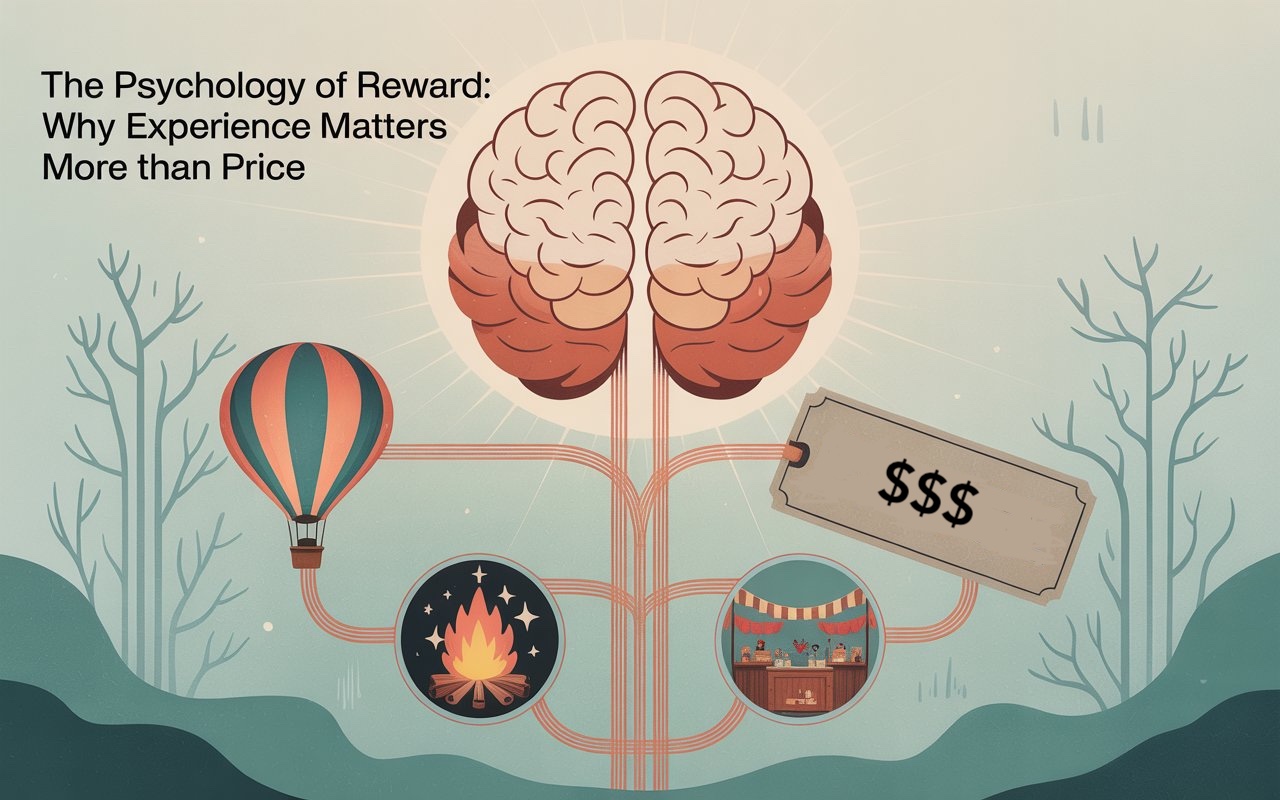
When it comes to rewards, most people immediately think about the price or the monetary value. But the psychology of reward reveals something much more interesting: the experience a reward creates often matters far more than the price itself. Whether it’s a small token of appreciation or a big marketing incentive, how a reward makes someone feel plays a bigger role in satisfaction and loyalty than the actual cost.
Think about the last time you received a gift or a reward that truly stuck with you. Chances are, it wasn’t because it was expensive or flashy. It was because it made you feel special, valued, or excited. This emotional connection is what makes experience-based rewards so powerful. Companies that get this right don’t just offer discounts or cashbacks—they create moments customers remember.
Why Experience Outweighs Price in Reward Psychology
At its core, the psychology of reward is about how people perceive value. While price grabs attention, it’s the experience attached to the reward that leaves a lasting impression. People want more than just a deal—they want to feel recognized and emotionally connected.
Experience-based rewards have a few key advantages:
- They create lasting memories rather than just momentary savings.
- They make people feel appreciated and emotionally satisfied.
- They build stronger loyalty, encouraging customers to return.
- They often lead to positive word-of-mouth and referrals.
This is why customer experience often beats price when it comes to keeping people happy.
The Emotional Impact of Rewards
Rewards aren’t just transactions—they are emotional triggers. This is where the value of experience over cost becomes clear. A simple discount or cash incentive may bring temporary happiness, but an experience-based reward can spark genuine joy, excitement, or even nostalgia.
For example, getting access to an exclusive event, receiving a personalized gift, or being part of a special community makes customers feel special. These positive emotions strengthen the bond between the customer and the brand, making the reward feel more meaningful than any price tag could.
Experience-Based Rewards vs Monetary Rewards
It helps to understand the difference between these two popular reward types:
Experience-Based Rewards:
These focus on creating memorable moments and personal connections. Examples include:
- Invitations to exclusive events
- Personalized gifts or services
- Unique brand interactions tailored to the customer
Monetary Rewards:
These are straightforward financial incentives, such as:
- Discounts and coupons
- Cashback offers
- Gift cards and vouchers
While monetary rewards are easy to understand and immediately appealing, they often lack the emotional depth that makes customers feel truly valued. Experience-based rewards, on the other hand, appeal to feelings and memories, which tend to build longer-lasting loyalty.
How Rewards Influence Customer Satisfaction?
Customer satisfaction goes far beyond just saving money. Rewards that feel personal and meaningful tend to create higher satisfaction and build trust with the brand. When customers feel genuinely appreciated, they are more likely to stay loyal and even recommend the brand to others.
Loyalty programs that focus on experience rather than just price-based rewards often see better results. These programs tap into deeper emotional needs, making customers feel recognized for who they are, not just what they spend.
Understanding Consumer Behavior and Reward Preferences
To design successful reward programs, businesses need to understand what really motivates customers. People want rewards that:
- Make them feel recognized and valued
- Offer unique, memorable experiences
- Reflect their personal tastes and preferences
When companies tailor their rewards to meet these desires, they not only increase customer engagement but also encourage repeat business and build emotional connections that outlast simple discounts.
Why Loyalty Programs Should Prioritize Experience
Experience-focused loyalty programs create meaningful moments that money alone can’t buy. They help customers build a connection with the brand that feels genuine and rewarding.
These programs work well because they:
- Create memories linked to the brand
- Encourage ongoing participation and loyalty
- Build emotional bonds that go deeper than price savings
By prioritizing experience, loyalty programs can turn ordinary customers into passionate brand advocates.
The Role of Perceived Value in Reward Effectiveness
The perceived value of a reward is often more important than its actual cost. Two rewards may have the same price, but the one that delivers a better experience will be seen as more valuable by customers.
Brands can increase this perceived value by:
- Personalizing rewards to fit customer preferences
- Offering exclusive or unique experiences
- Communicating the emotional benefits clearly
When customers feel the reward is special and tailored for them, it becomes far more meaningful.
Conclusion
The psychology of reward shows us that experience matters far more than price. While discounts and cash incentives can attract attention, it’s the emotional connection and meaningful moments that truly build loyalty and satisfaction. Brands that focus on the value of experience over cost create stronger relationships and happier customers.
In the end, people don’t just want to save money—they want to feel valued. Reward programs designed around creating memorable experiences tap into this fundamental need and deliver results that go beyond the numbers.
Are You Rewarding Your Customers With Experiences They’ll Never Forget—Or Just Another Discount?