Clients do not leave suddenly. Most of the time, the decision builds quietly over months. They continue buying, replying politely, and even saying they are satisfied. Yet, when a competitor approaches them, they listen. This slow drift happens because something important is missing, and that missing piece is often overlooked.
The loyalty gap appears when businesses believe repeat purchases equal loyalty. In reality, true loyalty is emotional, behavioral, and relational. Companies that understand this are winning clients without lowering prices. They focus on how clients feel, how often they engage, and how valued they believe they are.
Understanding the Loyalty Gap in Simple Terms
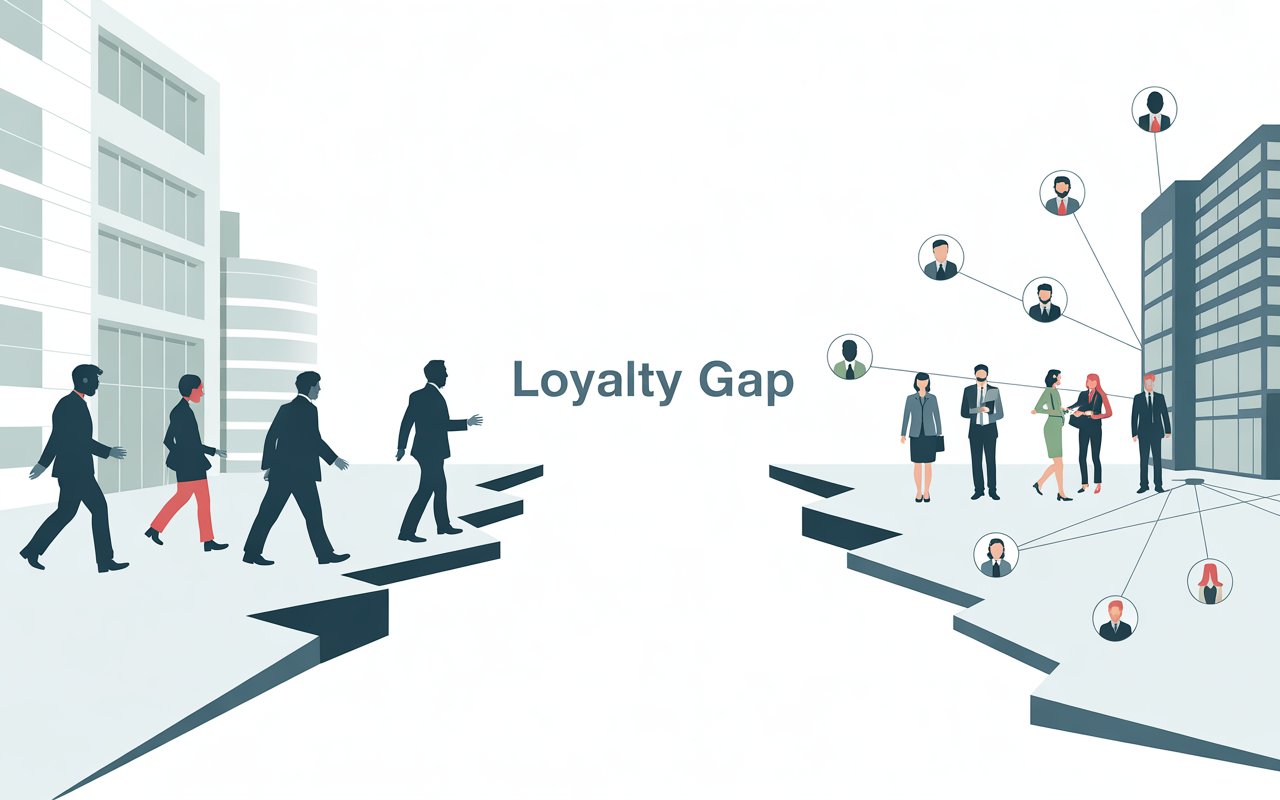
The loyalty gap is the space between client satisfaction and client commitment. Satisfaction means expectations are met. Commitment means clients choose you even when other options exist.
Why Satisfaction Alone Is Not Enough
Satisfied clients may still switch brands if the relationship feels weak. Loyalty is built when clients feel recognized, supported, and important over time.
Common Misconceptions About Loyalty
- Repeat buying means loyalty
- Long contracts guarantee commitment
- Discounts keep clients engaged
These ideas often hide early signs of loyalty loss.
Customer Loyalty Gap and Silent Churn
Silent churn happens when clients stay but slowly reduce engagement. They buy less, interact less, and stop recommending your brand. This behavior signals a growing customer loyalty gap.
Why Price Is Losing Its Power
Lower prices attract attention, but they rarely create long-term bonds. Many businesses rely on discounts to compete, yet this approach creates short-term gains and long-term risk.
Customer Experience vs Price
When clients compare brands, experience often matters more than cost. Ease of use, clear communication, and reliable support influence decisions more than small price differences.
Emotional Loyalty Drives Retention
Emotional loyalty is built when clients feel understood and appreciated. This type of loyalty is harder to break and less sensitive to competitor offers. In B2B customer loyalty, emotional ties often come from trust, shared goals, and consistent value.
How Competitors Win Clients Without Discounts
Competitors that grow without lowering prices usually invest in loyalty strategies that go beyond transactions. They focus on behavior, engagement, and relationships.
Relationship-Based Loyalty Explained
Relationship-based loyalty rewards ongoing interaction, not just spending. It recognizes clients for staying active, giving feedback, or supporting the brand.
What These Brands Do Differently
- Personalize communication instead of sending generic messages
- Reward long-term behavior, not one-time purchases
- Show appreciation consistently, not occasionally
These actions strengthen bonds and reduce the loyalty gap.
Value-Based Loyalty Programs That Work
Value-based loyalty programs focus on mutual benefit. Clients are rewarded for actions that support both sides, such as engagement, referrals, or learning more about services.
A strong example is Customer loyalty programs that encourage behavior instead of only transactions. These programs help businesses build lasting relationships rather than chasing short-term sales.
Why Clients Switch Brands Even When Happy
Many clients say they are happy but still leave. This happens when loyalty is weak and easily influenced.
Reasons Customers Leave for Competitors
- They feel taken for granted
- Communication feels one-sided
- Rewards do not match effort
- Engagement feels transactional
These issues often have nothing to do with price.
How Competitors Win Customers Quietly
Competitors often focus on small but consistent actions. They check in regularly, reward engagement, and make clients feel part of something ongoing. Over time, this builds stronger emotional loyalty.
Signs Your Business Is Facing a Loyalty Gap
The loyalty gap rarely shows up as a sudden drop in sales. It appears through behavior changes.
Early Warning Signs
- Lower response rates to emails or offers
- Fewer referrals or recommendations
- Declining repeat purchase frequency
- Neutral or short feedback
These signs suggest weak client engagement strategies.
How to Close the Loyalty Gap Step by Step
Closing the loyalty gap requires focus and consistency. It starts with understanding client behavior and adjusting how loyalty is rewarded.
Shift From Transactions to Relationships
Rewarding only purchases sends a clear message that spending is the only value. Rewarding engagement shows clients they matter beyond revenue.
Strengthen Client Retention Strategies
Retention improves when clients feel involved. Simple actions like recognizing milestones or encouraging feedback help build commitment.
Practical Actions to Take
- Segment clients based on behavior and engagement
- Reward actions such as referrals, reviews, or participation
- Communicate clearly and regularly
These steps help reduce churn and build trust.
Competing Without Lowering Prices
Competing without lowering prices becomes easier when loyalty is strong. Clients who feel valued are less likely to compare offers.
Non-Price Competition Strategies
- Clear onboarding and guidance
- Reliable support and follow-up
- Loyalty programs built on value, not discounts
These strategies help businesses stand out without hurting margins.
Why the Loyalty Gap Impacts Long-Term Growth
The loyalty gap affects more than retention. It impacts brand reputation, lifetime value, and growth stability. Loyal clients stay longer, spend more, and promote your brand naturally.
Businesses that focus only on acquisition often miss this. Those that invest in loyalty create stronger, more predictable growth.
Closing the loyalty gap is not about offering cheaper prices. It is about offering stronger relationships. When clients feel connected and appreciated, competitors lose their advantage, even without discounts.
Do You Reward Your Clients Only When They Buy, Or Also When They Engage, Refer, And Stay Loyal Over Time?