Loyalty and incentives play a crucial role in shaping customer and employee behaviors. Businesses use these strategies to improve customer retention, enhance employee engagement, and drive long-term success. However, many people confuse loyalty programs with incentive programs, assuming they serve the same purpose. While both reward individuals for their actions, they operate differently and yield distinct benefits.
Understanding the differences between loyalty and incentives helps businesses make informed decisions about which strategy to implement. Whether aiming to retain customers through brand loyalty or boost motivation with performance-based incentives, knowing how each works can maximize their impact. This guide breaks down the key aspects of both approaches, their benefits, and how businesses can effectively use them.
What Are Loyalty Programs?
Loyalty programs are structured marketing efforts designed to encourage repeat business. These programs reward customers for continued engagement with a brand, fostering long-term relationships. The goal is to retain customers by offering incentives that make staying loyal more appealing than switching to competitors.
How Do Loyalty Programs Work?
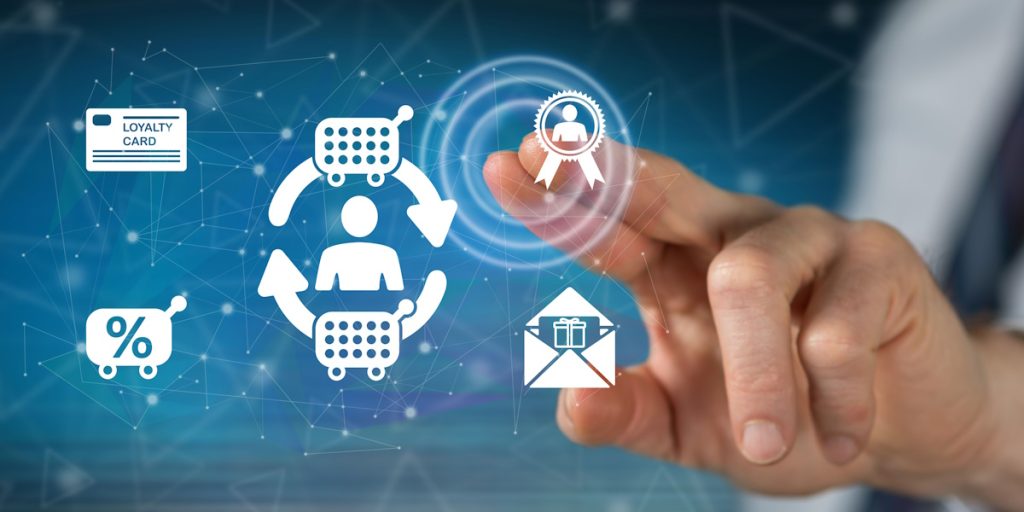
Loyalty programs typically operate on a point-based or tier-based system. Customers earn points for purchases or interactions, which they can redeem for discounts, exclusive perks, or free products. Businesses may also implement tiered structures where frequent buyers unlock higher-level benefits over time.
Benefits of Loyalty Programs
- Encouraging Repeat Business: Customers are more likely to return if they receive rewards for their purchases.
- Customer Retention: Businesses can retain customers by offering personalized rewards and exclusive deals.
- Long-Term Relationships: Loyalty programs build emotional connections with customers, increasing their lifetime value.
- Improved Customer Experience: A well-structured loyalty program enhances overall satisfaction and engagement.
What Are Incentive Programs?
Incentive programs focus on short-term motivation, rewarding individuals for specific actions. Unlike loyalty programs, which build ongoing relationships, incentives aim to drive immediate behavior changes. These programs are common in both customer-focused and employee engagement strategies.
Types of Incentive Programs
- Employee Incentives: Rewarding employees for achieving sales targets, completing tasks, or demonstrating outstanding performance.
- Customer Incentives: Offering discounts, cashback, or special offers to encourage purchases.
- Corporate Rewards: Recognizing employees or business partners for loyalty and contributions.
- Performance-Based Incentives: Rewarding individuals based on measurable achievements.
Benefits of Incentive Programs
- Motivation and Rewards: Encourages employees or customers to take immediate action.
- Short-Term Impact: Delivers quick results for sales, productivity, and engagement.
- Increased Participation: People are more likely to engage when a direct reward is involved.
- Flexible Program Offering: Businesses can customize incentives for different goals and audiences.
Key Differences Between Loyalty and Incentives
While both strategies reward behavior, they have distinct applications and benefits:
Feature | Loyalty Programs | Incentive Programs |
Purpose | Build long-term customer relationships | Drive short-term actions |
Target Audience | Existing customers | New customers or employees |
Timeframe | Ongoing and long-term | Short-term and immediate |
Rewards Structure | Points, tiers, exclusive perks | Cash bonuses, discounts, or one-time rewards |
Business Goal | Retain customers and drive repeat business | Boost sales, performance, or engagement quickly |
When to Use Loyalty vs Incentives
Choosing between loyalty programs and incentives depends on business objectives.
- Use loyalty programs if the goal is to retain customers, build long-term relationships, and encourage repeat business.
- Use incentives if the objective is to increase immediate sales, drive specific actions, or improve short-term performance.
- A combination of both can enhance overall customer behavior and employee engagement.
How to Implement an Effective Strategy?
To maximize success, businesses should tailor their approach based on customer behavior and company goals.
Best Practices for Loyalty Programs
- Offer valuable rewards that align with customer interests.
- Make it easy for customers to earn and redeem points.
- Personalize rewards to enhance engagement.
- Use data to track customer retention and program effectiveness.
Best Practices for Incentive Programs
- Clearly define goals and reward structures.
- Ensure rewards are meaningful and drive motivation.
- Keep incentives simple and easy to understand.
- Monitor program performance and adjust as needed.
Final Thoughts
Both loyalty and incentive programs are valuable tools for businesses looking to engage customers and employees. While loyalty programs focus on retaining customers for the long term, incentives drive immediate actions. Understanding their differences allows companies to design programs that align with their objectives.
By leveraging the right mix of loyalty and incentive strategies, businesses can build stronger relationships with their customers, enhance engagement, and ultimately achieve sustained growth.
Could A Combination Of Incentive and Loyalty Strategies Benefit Your Business?