Customer loyalty programs are evolving rapidly, and businesses are searching for ways to make their programs more meaningful. One of the most effective strategies gaining attention in 2026 is using travel incentives customer loyalty 2026 as a central reward. Unlike traditional points or discounts, travel rewards offer experiences that leave lasting memories. This approach not only encourages repeat business but also strengthens emotional connections between brands and their customers.
Travel incentives provide a unique opportunity for brands to stand out. By offering personalized trips or unique travel experiences, companies can create a sense of value and recognition that goes beyond the ordinary. These programs are no longer just a perk—they are a strategic tool that drives engagement, increases retention, and inspires advocacy among loyal customers.
How Travel Incentives Are Shaping Modern Loyalty Programs
Loyalty programs have traditionally relied on points, discounts, or cash-back offers. While these methods still work, they often fail to create a meaningful connection with the customer. By integrating travel incentives into loyalty programs, brands are moving toward experiences that customers genuinely value. Travel rewards give customers something to look forward to, creating anticipation and excitement around your brand.
The Power of Experiential Rewards
Offering experiential rewards like trips, adventure packages, or luxury stays makes loyalty programs more appealing. Customers are more likely to engage consistently when they see a tangible, memorable benefit. Studies have shown that travel incentives in loyalty programs lead to higher retention rates compared to traditional rewards. When a customer participates in a program that offers travel, it transforms the routine act of spending into a personal journey with the brand.
Benefits of Travel Incentives for Businesses
Implementing travel rewards can significantly enhance your business strategy. Here are some key benefits of offering travel incentives:
1. Strengthened Customer Engagement
Travel incentives encourage repeated participation. When customers know they can earn an exclusive trip or experience, they interact with your brand more often. This interaction increases engagement metrics and deepens the relationship over time.
2. Increased Brand Loyalty
Unlike cash or discount rewards, travel offers emotional value. A personalized travel experience creates memories associated with your brand, making customers more likely to return and advocate for your business.
3. Competitive Advantage
Integrating travel incentives into your loyalty program sets your brand apart. While many competitors may still offer traditional rewards, providing meaningful experiences positions your company as forward-thinking and customer-focused.
How to Design a Travel Incentive Program That Works
Creating an effective travel incentive program requires careful planning. The rewards should align with your customer preferences and purchasing behaviors. For example, offering adventure trips for younger audiences or luxury getaways for premium clients can make your program more compelling.
Personalization is Key
Customers respond best when the rewards feel tailored. Collect data on travel preferences, past purchases, and engagement habits to provide experiences that resonate. Personalization increases the perceived value of the reward and boosts customer loyalty.
Measuring Success
Track key metrics such as repeat purchase rate, program enrollment, and engagement frequency. Successful programs demonstrate clear ROI through higher retention rates and increased spending.
The Future of Travel Incentives in 2026
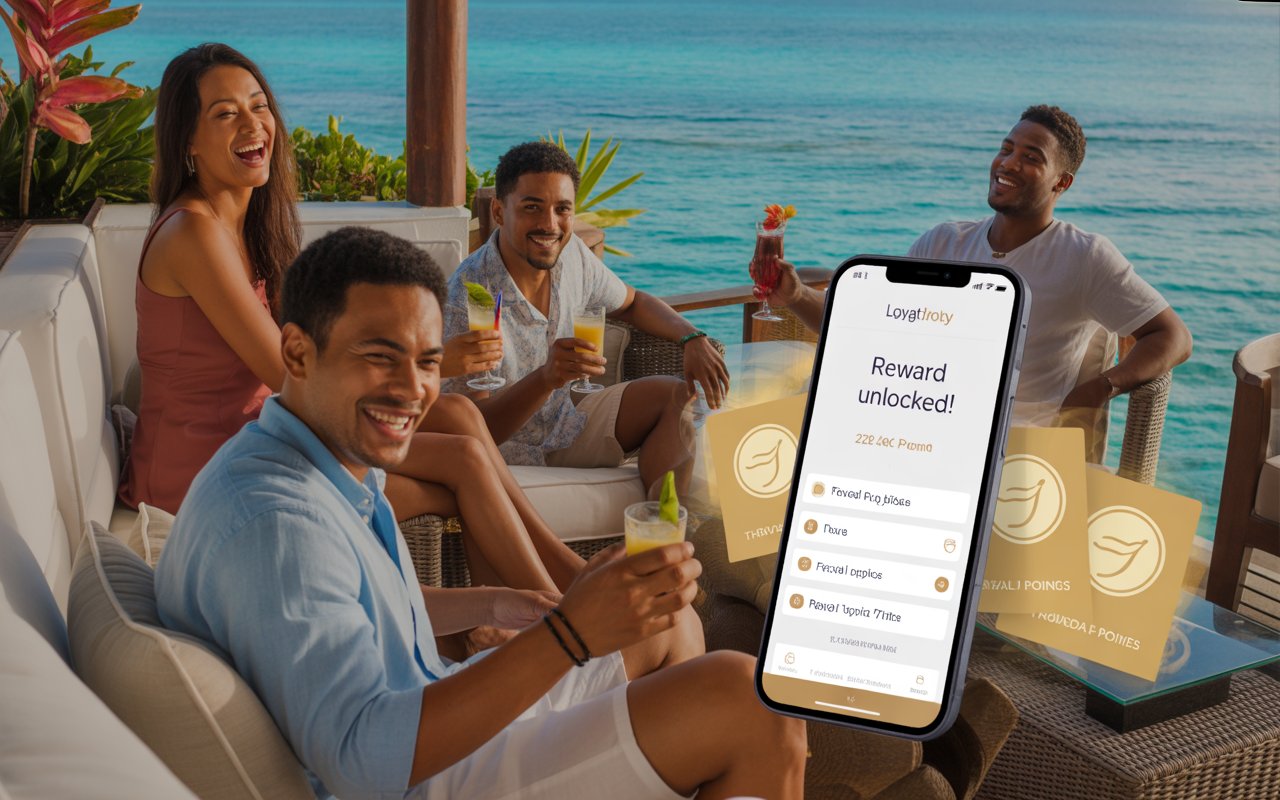
Looking ahead, travel incentives are expected to become even more integrated with technology. Mobile apps, digital tracking, and AI-driven recommendations will make it easier for businesses to offer personalized travel rewards. Companies that adopt these innovations early will benefit from stronger customer loyalty and a more competitive position in the market.
By focusing on experiences rather than points, brands can transform loyalty programs into tools that truly resonate. As travel incentives customer loyalty 2026 continue to gain traction, businesses that invest in memorable travel rewards will see stronger engagement, higher retention, and lasting customer relationships.
Frequently Asked Questions
1. What are travel incentives in customer loyalty programs?
Travel incentives are rewards offered by businesses in the form of trips, vacations, or unique travel experiences. They are designed to motivate customers to engage more with a brand, encouraging repeat purchases and long-term loyalty.
2. How do travel incentives improve customer loyalty?
Travel incentives create emotional connections and memorable experiences that go beyond traditional rewards like discounts or points. Customers who receive personalized travel rewards are more likely to stay engaged, advocate for the brand, and participate consistently in loyalty programs.
3. What types of travel incentives can businesses offer?
Businesses can offer a variety of travel rewards, including luxury vacations, adventure trips, city getaways, or all-inclusive packages. The choice of incentive should align with customer preferences and purchasing behaviors to maximize engagement.
4. Are travel incentives cost-effective for loyalty programs?
Yes. Although travel rewards may have higher upfront costs, they deliver strong ROI by increasing customer retention, repeat purchases, and brand advocacy. When designed strategically, the value gained from loyal, engaged customers often outweighs the investment.
5. How can companies personalize travel incentives?
Companies can use customer data such as purchase history, engagement patterns, and travel preferences to tailor rewards. Personalization makes the reward feel more meaningful and encourages higher participation in the loyalty program.
6. Can travel incentives work for both B2B and B2C programs?
Absolutely. Travel rewards are versatile and can motivate both business clients and individual consumers. B2B programs often use them to strengthen partnerships, while B2C programs focus on creating memorable experiences for individual customers.
7. How do I measure the success of a travel incentive program?
Key metrics include customer engagement rates, repeat purchase frequency, program enrollment, and overall ROI. Tracking these metrics helps determine which rewards resonate most and how the program contributes to long-term loyalty.
Are You Curious About The ROI Of Integrating Travel Incentives Into Your Strategy?