The first quarter (Q1) often presents challenges for businesses. After the holiday rush, sales typically decline. However, you can turn this slump into an opportunity. By implementing strategic incentives, you can motivate your team and engage customers effectively. This blog explores how to leverage these incentives to thrive during Q1.
Understanding the Q1 Sales Slump
Many factors contribute to the Q1 sales slump. Customers have spent their disposable income during the holidays. Additionally, businesses may cut back on marketing efforts. As a result, sales often dip significantly in January and February. Understanding these dynamics is crucial for developing effective strategies.
Types of Strategic Incentives
Strategic incentives can motivate both your sales team and your customers. Here are some key types of strategic incentives you can implement:
1. Monetary Incentives
Monetary incentives include direct financial rewards such as:
- Discounts and Coupons: Offer customers discounts on their next purchase to encourage immediate sales.
- Cashback Offers: Provide a percentage of cash back on purchases to incentivize spending.
2. Product-Based Incentives
These incentives involve giving customers extra products or services, such as:
- Free Gifts: Include a free item with a purchase to enhance value.
- Buy One Get One Free: Encourage larger purchases by offering additional products at no extra cost.
3. Experience-Based Incentives
Experience-based incentives create memorable interactions, including:
- Exclusive Access: Offer VIP access to events or early product releases.
- Contests and Sweepstakes: Engage customers through competitions that offer valuable prizes.
4. Convenience Incentives
Convenience incentives make the purchasing process easier for customers, such as:
- Free Shipping: Eliminate shipping costs to encourage online shopping.
- Easy Returns: Simplify the return process to reduce purchase hesitations.
5. Personalized Incentives
Personalized incentives cater to individual customer preferences, including:
- Custom Recommendations: Use data to suggest products based on previous purchases.
- Birthday Rewards: Send special offers or discounts on customers’ birthdays.
6. Loyalty Incentives
Loyalty incentives reward repeat customers and encourage ongoing engagement, such as:
- Points Programs: Allow customers to earn points for each purchase that can be redeemed for rewards.
- Tiered Memberships: Create levels of membership that offer increasing benefits based on customer spending.
The Importance of Strategic Incentives
Strategic incentives play a vital role in overcoming sales slumps. They can boost your sales team’s morale and encourage customer loyalty. Here are some effective ways to implement these incentives:
Incentivizing Your Sales Team
- Personalized Rewards: Tailor rewards to individual preferences. Allow your sales team to choose their incentives, such as gift cards or experiences. This personal touch increases motivation.
- Weekly Challenges: Create weekly sales challenges with specific targets. Offer rewards for achieving these goals. This fosters a competitive spirit and keeps the team engaged.
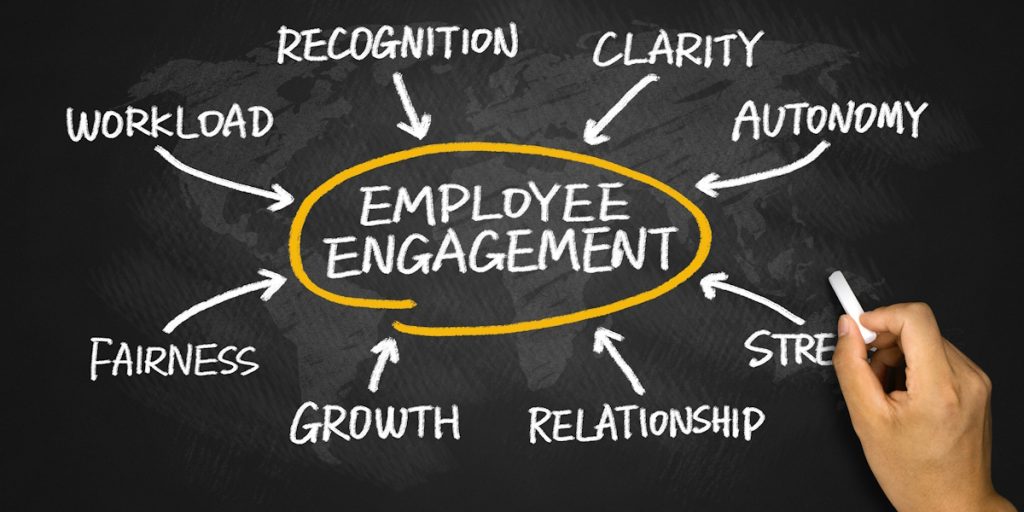
- Recognition Programs: Implement recognition programs that celebrate achievements, big or small. A simple shout-out during meetings can boost morale and encourage continued effort.
- Upselling and Cross-selling Incentives: Encourage your team to focus on upselling and cross-selling techniques. Offer additional commissions for successful upsells to increase overall sales.
Engaging Customers with Incentives
- Promotional Events: Host promotional events in January to attract customers post-holidays. Consider offering discounts or special deals to entice shoppers.
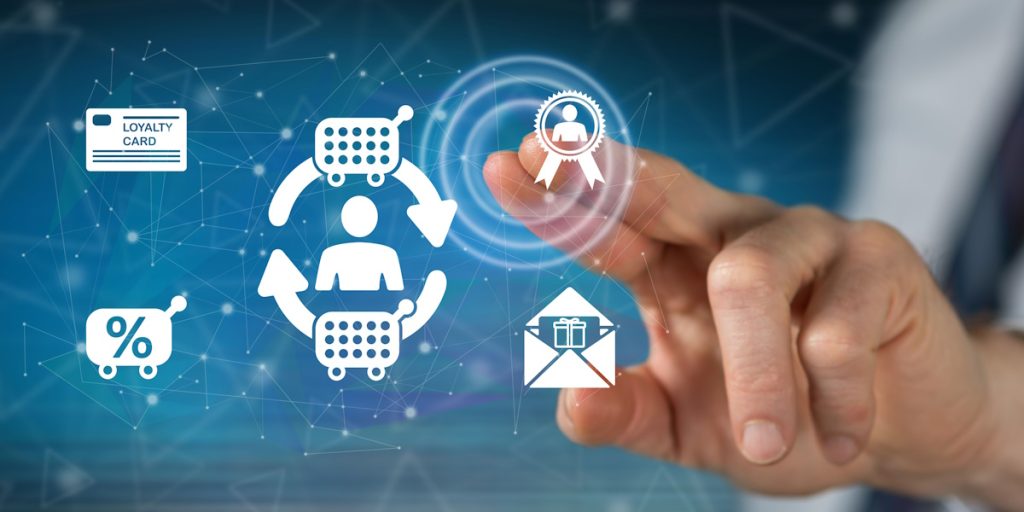
- Loyalty Programs: Develop loyalty programs that reward repeat customers with discounts or exclusive offers, building long-term relationships.
- Referral Bonuses: Implement a referral program that rewards customers for bringing in new clients, increasing your customer base while building community around your brand.
- Seasonal Campaigns: Create marketing campaigns that resonate with New Year resolutions, promoting products related to fitness or self-improvement.
How Strategic Incentives Engage Customers
Customer engagement is key during slow periods. Use strategic incentives to capture attention and encourage action:
- Seasonal Promotions: Launch campaigns tied to New Year resolutions or winter themes.
- Referral Programs: Reward existing customers for bringing in new clients with discounts or free products.
- Limited-Time Offers: Create urgency by offering time-sensitive deals or flash sales.
- Loyalty Rewards: Strengthen relationships with repeat customers by offering exclusive perks or discounts.
Marketing Strategies That Complement Incentives
Strategic incentives work best when paired with effective marketing strategies. Here’s how you can amplify their impact:
Increase Marketing Spend in Q1
Many businesses cut back on marketing after the holidays, but this creates an opportunity for you to stand out. Invest in digital ads, email campaigns, and social media promotions targeting both new and existing customers.
Focus on Content Marketing
Create valuable content that resonates with your audience’s needs during Q1:
- Write blogs addressing seasonal pain points (e.g., budgeting tips after the holidays).
- Share success stories or testimonials that highlight your products’ benefits.
Leverage Social Media Engagement
Social media platforms are excellent tools for engaging with your audience:
- Host giveaways or contests tied to your incentive programs.
- Share interactive content like polls, quizzes, or live Q&A sessions.
Use Paid Advertising Strategically
Run paid advertising campaigns targeting specific demographics likely to convert during Q1:
- Retarget past website visitors with special offers.
- Highlight time-sensitive deals in ads to create urgency.
Avoiding Potential Pitfalls of Sales Incentives
While strategic incentives are powerful, they can backfire if not implemented carefully. Here are some common pitfalls to avoid:
Overemphasis on New Products
Focusing too much on new product promotions can detract from core product sales. Ensure all products receive adequate attention.
Misaligned Goals
Align incentive programs with overall business objectives to avoid confusion among team members.
Short-Term Focus
Avoid creating programs that only drive short-term gains at the expense of long-term customer relationships.
Building a Strong Pipeline for Q1 Success
A strong pipeline is essential for thriving during Q1. Here’s how you can build one:
Identify High-Value Targets
Analyze past performance data to identify potential high-value clients or industries that align with your offerings.
Re-engage Past Clients
Reach out to inactive clients with personalized offers or updates about new products/services they might find valuable.
Launch Nurturing Campaigns
Use email marketing or social media campaigns to nurture leads who showed interest in Q4 but didn’t convert.
Conclusion: Thriving Through Strategic Incentives
The Q1 sales slump doesn’t have to be a roadblock for your business. By implementing strategic incentives, you can motivate your sales team, engage customers, and drive revenue even during slow periods. Combine these incentive programs with effective marketing strategies and a strong pipeline plan for maximum impact.
Take action today! Design tailored incentive programs that resonate with your audience and inspire your team. With the right approach, you’ll not only survive the Q1 slump but thrive throughout the year!
Is Your Marketing Strategy Aligned With Your Incentive Programs For Maximum Impact?