Loyalty and recognition programs have become essential tools for businesses looking to strengthen relationships with both employees and customers. Companies are realizing that acknowledging effort, rewarding performance, and showing appreciation are no longer just “nice-to-have” practices—they directly impact the bottom line. By implementing structured loyalty and recognition initiatives, organizations can see tangible results that go beyond morale, creating measurable returns on investment that support long-term growth.
When executed thoughtfully, these programs encourage consistent engagement, boost motivation, and increase retention rates. Employees who feel valued are more likely to perform at higher levels, while customers who feel appreciated continue to return. This dual impact means that well-designed loyalty and recognition programs can contribute significantly to business success, translating goodwill into measurable business outcomes.
Understanding Loyalty and Recognition Programs
Loyalty and recognition programs are systems designed to reward behavior that aligns with company goals. For employees, these programs often focus on recognizing achievements, celebrating milestones, and incentivizing performance. For customers, they provide rewards for repeated purchases, brand advocacy, or consistent engagement.
The benefits of these programs are well-documented. Employee recognition programs help create a positive work environment, which in turn drives productivity. Customer loyalty programs encourage repeat business and increase customer lifetime value. When organizations measure these outcomes, they can directly link program activities to financial performance, providing a clear return on investment.
How These Programs Deliver Measurable ROI
Employee Recognition and Engagement
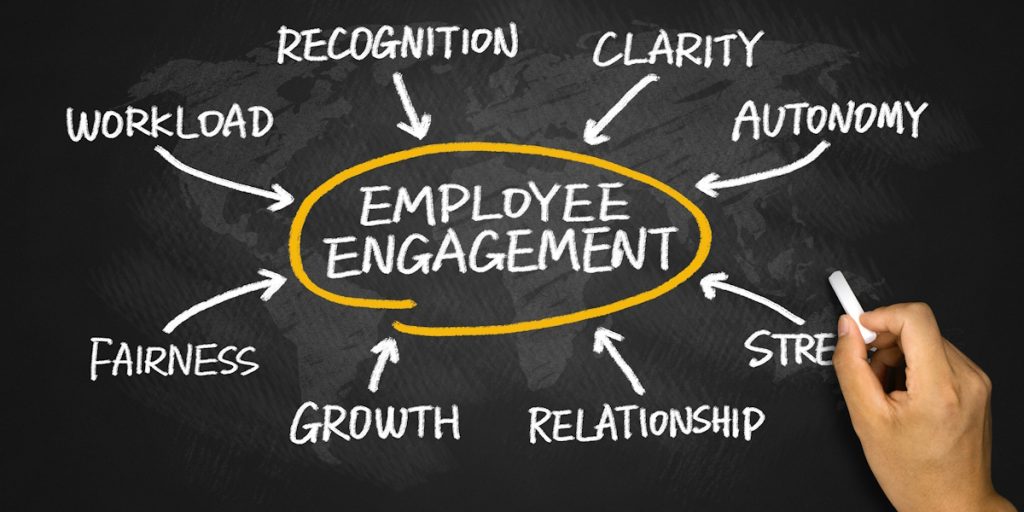
Recognizing employees for their contributions improves engagement, reduces turnover, and encourages higher performance. Studies show that companies with strong recognition programs have up to 31% lower voluntary turnover and a significant increase in productivity. By tracking metrics like employee engagement scores, productivity levels, and retention rates, companies can calculate the financial impact of recognition initiatives.
Customer Loyalty and Repeat Business
Customer loyalty programs reward repeat purchases or consistent interactions with a brand. Offering points, exclusive access, or special discounts encourages customers to return, which increases revenue over time. Metrics such as repeat purchase rate, average order value, and customer lifetime value can be monitored to assess the program’s effectiveness. By analyzing these KPIs, businesses can quantify the return on their investment in loyalty strategies.
Linking Programs to Business Outcomes
To see measurable ROI, companies must connect recognition and loyalty activities to concrete outcomes. This involves defining goals, setting performance indicators, and using analytics tools to track progress. For example, an employee recognition program that reduces turnover by 10% can translate into significant savings on recruitment and training costs. Similarly, a customer loyalty program that increases repeat purchase rate by 15% directly boosts revenue.
Best Practices for Implementing Recognition Programs
Set Clear Goals
A successful program begins with clear objectives. Whether the focus is improving employee engagement, increasing customer retention, or boosting sales, defining measurable goals ensures that ROI can be accurately calculated.
Use Data-Driven Strategies
Leverage analytics to monitor program performance. Track key metrics such as engagement rates, participation levels, repeat purchases, and retention statistics. This allows for ongoing adjustments to improve outcomes and ensure the program continues to deliver measurable results.
Make Recognition Personal
Personalized recognition has a stronger impact than generic rewards. Tailoring employee rewards to individual preferences or customizing loyalty program offers for customers strengthens the connection and increases the likelihood of repeated engagement.
Integrate Technology
Modern recognition platforms and loyalty program software make tracking easier and more efficient. Automated reporting tools allow businesses to link program activities directly to ROI, providing a clear picture of program effectiveness.
Challenges to Anticipate
While loyalty and recognition programs offer clear benefits, companies may encounter challenges. Low participation, lack of alignment with business goals, or poorly communicated rewards can limit effectiveness. To overcome these challenges, organizations should actively promote programs, ensure transparency in reward systems, and gather feedback regularly to refine offerings.
Conclusion
When loyalty and recognition programs are thoughtfully designed and implemented, they provide measurable returns that go beyond intangible benefits. Employee engagement increases, turnover decreases, customer retention grows, and overall business performance improves. By tracking performance metrics and linking program activities to financial outcomes, organizations can clearly demonstrate the ROI of these initiatives. Businesses that prioritize loyalty and recognition in 2026 are better positioned to maintain a motivated workforce, cultivate customer satisfaction, and achieve sustained growth.
Do you know the measurable ROI of your current loyalty initiatives?