Building strong relationships is not just a nice-to-have in business; it is a key driver of long-term success. Companies that focus on nurturing connections with their customers, employees, and partners often see higher loyalty, better retention, and steady growth over time. Strong relationships create trust, which can turn a one-time buyer into a lifelong supporter and a casual employee into a dedicated team member. These connections form the foundation of sustainable business growth that doesn’t rely solely on quick wins or short-term gains.
Investing in relationships also improves the overall health of a business ecosystem. When clients feel valued, they are more likely to engage, provide referrals, and remain loyal during challenging times. Similarly, employees who feel connected to the company and their colleagues are more productive, innovative, and motivated. By prioritizing relationship building as part of their core strategy, companies can position themselves for long-term success, rather than chasing fleeting opportunities that do not endure.
Why Customer Relationship Management Matters
At the heart of long-term growth is customer relationship management. This is not just about keeping a database of contacts; it’s about actively understanding customer needs, responding to feedback, and maintaining consistent communication. Companies that use CRM strategies effectively can anticipate customer behavior, personalize experiences, and provide solutions that make clients feel valued.
Strong customer relationships often lead to higher lifetime value, meaning customers spend more over time. They also increase retention rates, reduce churn, and create advocates who promote the brand naturally. In contrast, businesses that neglect relationship marketing may struggle to maintain loyalty and see growth stall over time. This demonstrates that relationship-driven strategies are not optional—they are essential for building a resilient business.
Building Loyalty Through Relationship Marketing
Relationship marketing focuses on long-term engagement rather than one-time transactions. By understanding customer preferences, companies can tailor communications, provide relevant offers, and respond to concerns promptly. Loyalty programs, personalized follow-ups, and proactive customer support are practical ways to strengthen these connections.
Businesses that prioritize relationship marketing often enjoy stronger brand reputations. Satisfied customers tend to share positive experiences with others, creating organic growth through word-of-mouth. Strategic use of relationship marketing also aligns internal teams with a unified goal of nurturing connections, which supports consistent growth across all business functions.
Employee Engagement and Internal Relationships
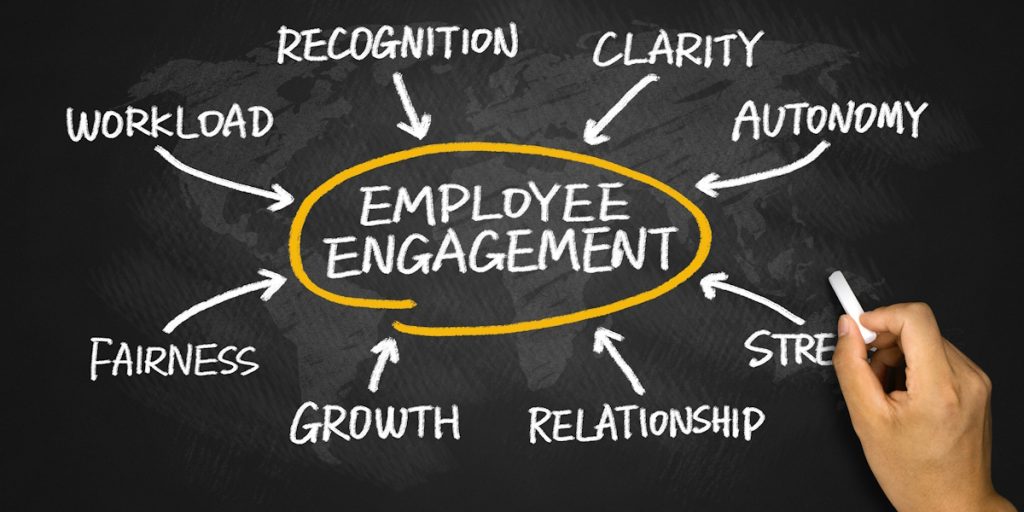
Long-term growth isn’t just about external connections; internal relationships matter just as much. Engaged employees who feel connected to the company and their colleagues contribute more effectively to achieving business objectives. Encouraging collaboration, mentorship, and open communication strengthens the company culture, which in turn improves productivity and innovation.
Employee engagement directly impacts customer relationships. Happy, motivated staff are more likely to provide excellent service, respond to client needs effectively, and reinforce a positive brand image. Companies that invest in internal relationship strategies often see reduced turnover, lower recruitment costs, and improved overall performance, all of which contribute to sustainable growth.
Strategic Partnerships and Collaboration
Forming strong partnerships with other businesses is another way to support long-term growth. Strategic collaborations allow companies to access new markets, share resources, and learn from industry peers. Strong partner relationships can lead to co-marketing opportunities, joint product development, and mutually beneficial deals that enhance competitive advantage.
A relationship-focused approach to partnerships ensures that all parties feel valued and heard. Companies that maintain trust and transparency with partners can weather challenges more effectively, creating opportunities for innovation and growth that would be difficult to achieve alone.
Measuring the Impact of Relationship Investment
To truly benefit from relationship-driven growth, companies need to track outcomes and adjust strategies accordingly. Key metrics include customer retention rates, lifetime value, referral rates, and employee engagement scores. By analyzing these indicators, businesses can identify strengths, areas for improvement, and opportunities to deepen connections.
Consistently measuring the impact of relationship strategies ensures that investments are effective and that the company continues to grow sustainably. Businesses that regularly evaluate their relationship-building efforts can adapt to changing customer expectations, maintain competitive advantage, and secure long-term success.
Conclusion
Investing in relationships is more than a strategic choice—it is a pathway to sustainable business growth. Companies that prioritize customer relationship management, employee engagement, and strategic partnerships build a strong foundation for lasting success. These relationships foster loyalty, reduce turnover, enhance brand reputation, and create opportunities that extend far beyond immediate gains.
By understanding the value of strong relationships and implementing thoughtful strategies to nurture them, businesses position themselves for long-term growth that is steady, resilient, and impactful.
What steps can you take today to build lasting loyalty and trust?