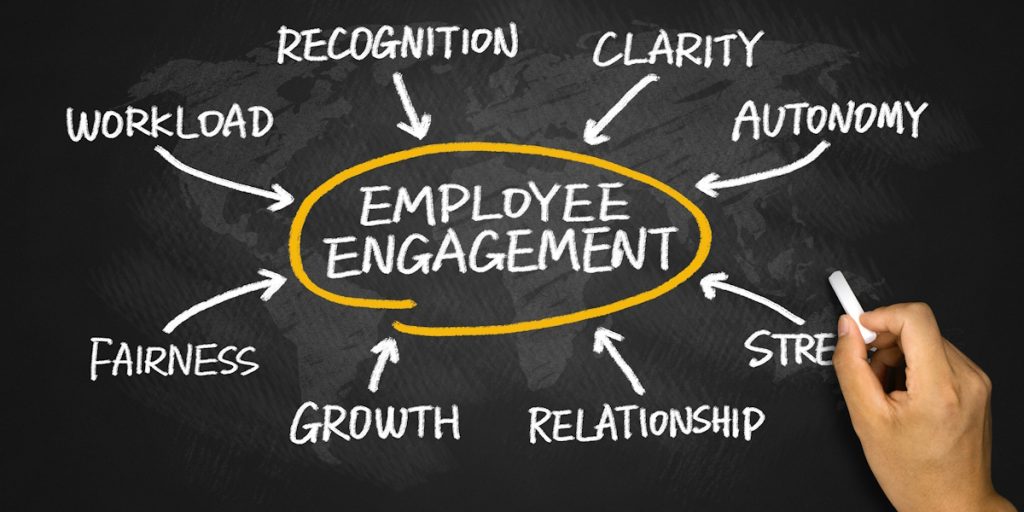
Employee recognition has shifted from being a “nice gesture” to a core business strategy. Teams work better when they feel seen, valued, and supported. That is why Employee Recognition Programs have become essential for companies that want to strengthen commitment and reduce workplace frustration. As work models change and employee expectations rise, leaders must invest in recognition methods that feel meaningful and timely.
Many organizations have started reviewing how they reward great work because the old ways are no longer enough. Traditional certificates, one-time awards, or generic praise do not keep people motivated for long. Employees now look for recognition that is specific, consistent, and aligned with their role. When appreciation is delivered in the right way, it creates a positive work environment that boosts engagement, productivity, and collaboration.
Why Employee Recognition Still Matters in 2025
Employee expectations continue to change every year. People want more than a paycheck — they want purpose, strong workplace relationships, and appreciation for their efforts. This is why recognition and rewards programs play a major role in shaping a positive company culture.
How Recognition Strengthens Workplace Engagement
Employee engagement improves when individuals feel valued. Recognition supports this by reinforcing positive behaviors, motivating better performance, and reducing stress. Research consistently shows that appreciated employees are more likely to stay loyal, speak positively about their workplace, and go the extra mile for the company.
Recognition also helps build trust between employees and their managers, which is crucial for strong team performance.
The Role of Employee Recognition Programs in Hybrid Workplaces
As more companies continue with hybrid or flexible work models, staying connected becomes a challenge. Remote teams often feel overlooked because their performance is not always visible.
This is why structured programs—such as Employee Recognition Programs—help maintain clear communication. They ensure that every team member receives equal acknowledgment, no matter where they work from.
Key Benefits of Using Recognition and Rewards Programs
Well-planned programs do much more than boost morale. They create a ripple effect across the entire organization.
1. Higher Employee Motivation
Regular appreciation shows employees that their efforts matter. This leads to stronger motivation and more consistent performance. When people feel valued, they naturally push themselves to do better.
2. Improved Productivity Across Teams
Workplace recognition 2025 trends show that recognition encourages people to work smarter, stay focused, and stay aligned with company goals. As employees understand that their performance is being noticed, productivity increases across departments.
3. Stronger Company Culture
A culture built on appreciation helps build stronger relationships between colleagues. It reduces friction, increases cooperation, and makes the workplace more enjoyable. Employees feel psychologically safe, which increases creativity and problem-solving.
4. Reduced Turnover and Higher Retention
When employees feel ignored, they are more likely to leave their jobs. Recognition helps solve this problem by creating loyalty.
Retention becomes easier when employees believe their work is valued and their contributions matter.
Best Ways to Build Effective Employee Engagement Strategies for 2025
Recognition works best when it is planned, structured, and aligned with company goals. Here are some practical ways companies can build stronger engagement strategies.
Make Recognition Frequent and Timely
Appreciation should not be delayed. The sooner an employee is recognized for good work, the stronger the impact. This approach supports positive reinforcement and encourages employees to repeat great work.
Use Technology for Performance Recognition Tools
Digital platforms help managers track achievements, share appreciation quickly, and give rewards instantly.
These tools are essential for large teams and hybrid workplaces, ensuring that recognition is fair and consistent.
Encourage Peer-to-Peer Appreciation
Appreciation should not only come from managers. When team members are encouraged to recognize each other, it creates a supportive environment where everyone feels involved.
Peer recognition builds trust and improves team bonding.
Offer Meaningful and Personalized Rewards
Every employee values something different. Some prefer public praise, while others appreciate private messages or growth opportunities.
Companies should offer personalized recognition that matches employee preferences to make it more meaningful.
Why Companies Must Prioritize Recognition in 2025
The year 2025 will demand more thoughtful HR strategies. Employees expect recognition that feels real, personal, and consistent. Programs that fail to meet these expectations may lead to disengagement, low morale, and increased turnover.
Recognition Directly Supports Business Growth
Engaged employees produce better work, support company goals, and create positive customer experiences.
This makes recognition not just an HR responsibility but a business necessity.
The Future of Workplace Recognition
The future will favor organizations that focus on continuous appreciation. By building structured recognition systems, using technology, and prioritizing meaningful rewards, companies can stay ahead and build a workforce that is motivated, loyal, and productive.
Do You Want A Recognition System That Actually Improves Motivation And Productivity?