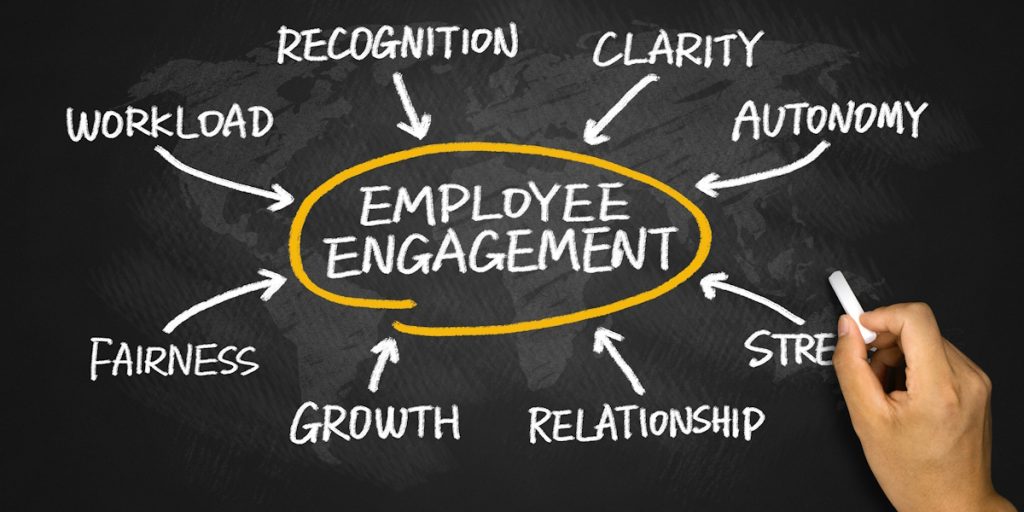
Employee expectations at work have changed a lot over the past few years. People want more than just a paycheck. They want to feel respected, noticed, and valued for what they do every day. When effort goes unseen, motivation slowly drops, even in well-paid roles.
This is why employee motivation in 2025 is closely linked to recognition. Teams stay committed when their work matters and their contributions are acknowledged. Recognition creates trust, builds confidence, and gives people a clear reason to stay engaged with their organization.
Why Employee Motivation in 2025 Needs a New Approach
Work models are more flexible than before. Many employees work remotely or in hybrid setups, which can reduce personal connection. Without regular feedback or appreciation, people may feel distant from their teams and leaders.
Traditional motivation methods, such as bonuses or annual reviews, are no longer enough on their own. Employees expect ongoing support and simple, honest recognition. This shift makes employee motivation in 2025 more about daily experience than yearly rewards.
Organizations that adapt to this change see stronger commitment and better performance. Recognition plays a key role because it directly connects effort with appreciation.
The Importance of Employee Recognition in Modern Workplaces
Recognition helps people understand that their work has meaning. When employees feel valued, they are more willing to contribute ideas, solve problems, and support their teams.
The importance of employee recognition becomes even clearer during periods of stress or change. A small “thank you” or public acknowledgment can improve morale and reduce burnout. This is why many companies now invest in structured employee recognition programs rather than relying on informal praise.
Well-planned programs ensure recognition is fair, timely, and aligned with company values. They also make appreciation visible across teams, which strengthens workplace culture.
How Employee Recognition Programs Support Long-Term Motivation
Moving Beyond One-Time Awards
Many companies still rely on single awards or limited recognition moments. While these can feel good, they do not create lasting motivation. Employees need consistent feedback and appreciation throughout the year.
Modern employee recognition programs focus on frequent and meaningful moments. They highlight teamwork, effort, and improvement, not just final results. This approach keeps motivation steady and helps employees stay engaged over time.
You can learn more about better approaches to recognition through effective Employee recognition programs.
Recognition Builds Stronger Employee Engagement in 2025
Recognition encourages employees to stay emotionally connected to their work. When people feel seen, they are more likely to care about outcomes and collaborate with others.
Employee engagement in 2025 depends on trust and transparency. Recognition supports both by showing that leadership pays attention to effort, not just numbers. This strengthens relationships and helps teams perform better together.
Recognition also supports inclusion by giving everyone a chance to be appreciated, regardless of role or location.
Recognition at Work as a Daily Motivation Tool
Simple Actions That Make a Difference
Recognition at work does not have to be complex or costly. Simple actions like public praise, peer recognition, or written appreciation can have a strong impact.
These moments remind employees that their work matters. Over time, this builds confidence and encourages consistent effort. This daily reinforcement is essential for employee motivation in 2025, where work can often feel isolated or repetitive.
The Role of Recognition in Employee Motivation
Recognition directly affects how employees feel about their jobs. When effort is acknowledged, people are more likely to stay focused and productive.
Understanding the Role of recognition in employee motivation helps organizations reduce stress and support mental well-being. Recognition lowers frustration and helps employees feel supported during challenging periods.
This balance between performance and care creates healthier, more motivated teams.
Non-Monetary Rewards for Employees Matter More Than Ever
Money remains important, but it is not the only motivator. Many employees value flexibility, appreciation, and personal growth just as much.
Non-monetary rewards for employees, such as learning opportunities or public acknowledgment, create lasting impact. These rewards show respect and understanding of individual needs, which supports long-term engagement.
Recognition combined with non-monetary rewards helps employees feel valued beyond financial measures.
What Sports Teams Teach Us About Employee Motivation
Sports teams rely heavily on recognition, trust, and shared goals. Players perform better when they feel supported by their coaches and teammates.
The same ideas apply at work. Clear goals, regular feedback, and appreciation improve employee motivation across industries. Lessons from team sports highlight how recognition encourages effort and resilience.
You can read more insights on Employee Motivation and how teamwork and recognition drive better results.
Building a Culture of Recognition for the Future
A strong recognition culture does not happen overnight. It requires leadership support, clear values, and the right tools. When recognition becomes part of daily work, employees feel more connected and motivated.
For employee motivation in 2025, recognition remains one of the most effective and human ways to inspire performance. Organizations that focus on appreciation create workplaces where people want to stay, grow, and succeed.
By making recognition consistent and meaningful, companies can build motivated teams that are ready for the future.
Does Your Current Recognition Approach Support Daily Motivation Or Only Yearly Rewards?