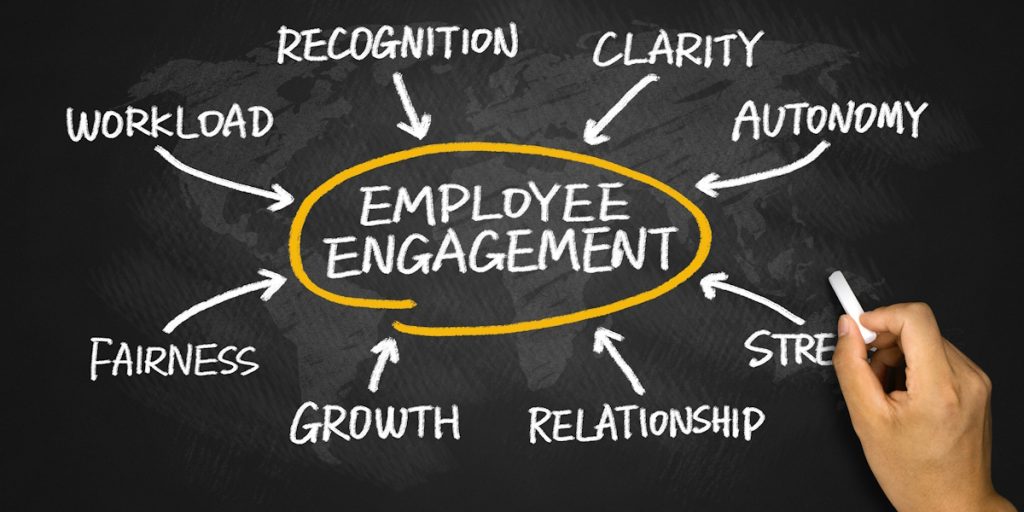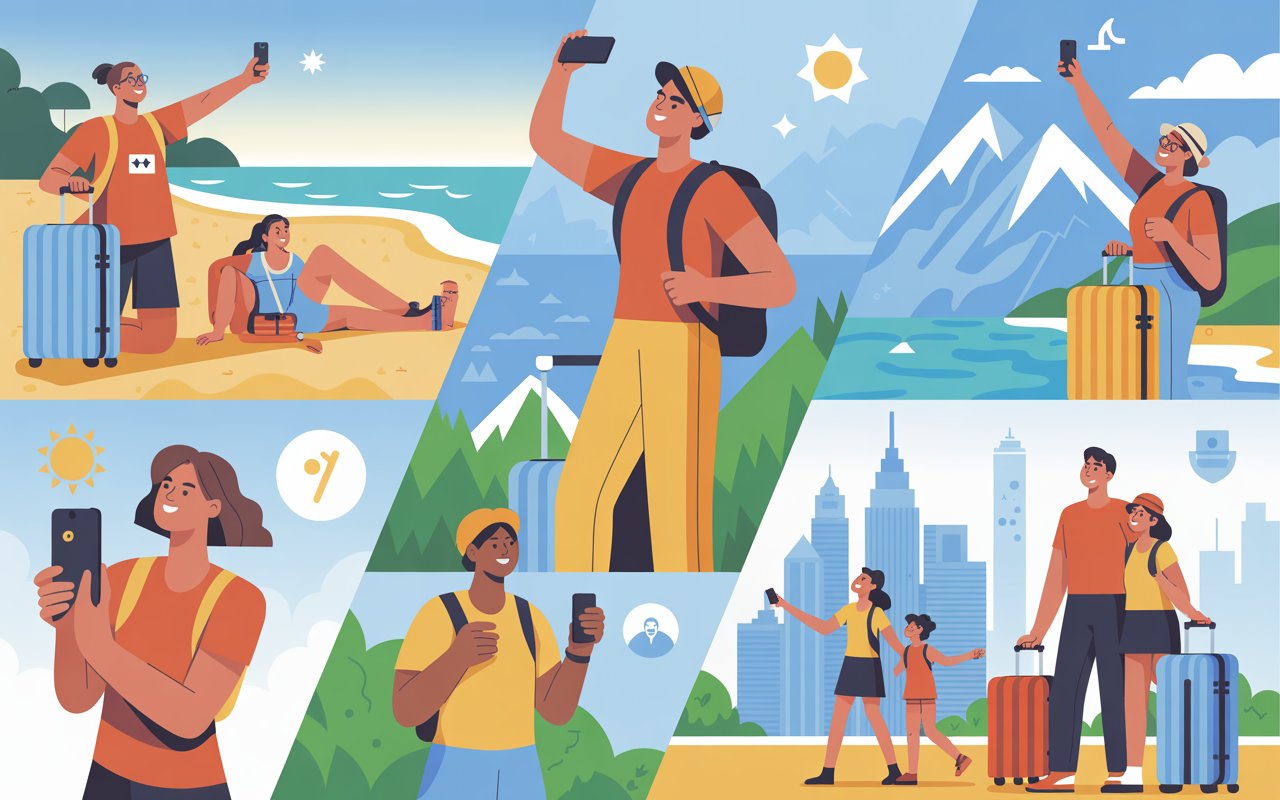
Building a strong relationship with your customers is more than just offering a product or service. Businesses that want to retain their clients over the long term must provide experiences that make them feel valued and appreciated. One of the most effective ways to achieve this is through travel rewards for customers. These rewards not only recognize loyalty but also create memorable experiences that connect customers emotionally to your brand.
Unlike standard discounts or gift cards, travel rewards go beyond the ordinary. They offer unique opportunities for customers to enjoy new places, experiences, and adventures — all tied to your brand. By offering such meaningful incentives, you demonstrate that you value your customers’ loyalty in a way that stands out from competitors. This approach strengthens trust, engagement, and long-term retention.
How Travel Rewards Strengthen Customer Loyalty
When customers receive travel rewards for customers, they feel genuinely recognized for their continued support. Rewarding loyalty with experiences rather than just points or cash fosters a deeper emotional connection. Customers are more likely to return to your brand when they associate it with memorable trips and personal experiences.
Integrating customer loyalty programs into your strategy ensures that clients not only stay but also advocate for your brand. These programs can track customer behavior, offer tiered rewards, and create a sense of progression that encourages further engagement. The more personalized and meaningful the reward, the stronger the bond becomes between your business and your customers.
Corporate Incentive Trips: Going Beyond Traditional Rewards
Corporate incentive trips are a powerful form of business travel rewards. They motivate clients and even partners to maintain strong relationships with your company. Such trips can include luxury stays, exclusive events, or group experiences that foster connection and loyalty.
Offering this type of reward demonstrates that your brand cares about more than transactions. It shows investment in the customer’s overall experience. Clients are more likely to continue doing business with you when they feel appreciated on a personal level.
Experiential Rewards: Creating Lasting Memories
Unlike tangible gifts, experiential rewards leave a lasting impression. Whether it’s a weekend getaway, a cultural tour, or an adventure package, these rewards create stories that your customers will share. This type of engagement increases brand recall and encourages word-of-mouth promotion.
Businesses can combine experiential rewards with reward programs for clients to incentivize behavior, such as repeat purchases or referrals. By providing meaningful travel experiences, you ensure that loyalty is not just transactional but emotional and long-lasting.
Implementing Travel Rewards in Your Loyalty Strategy
To make travel rewards for customers work effectively, businesses should integrate them thoughtfully within their customer engagement strategies. Start by identifying your most loyal clients and designing trips or experiences that align with their interests. This personalization adds value and enhances the emotional impact of the reward.
Additionally, using structured programs helps in tracking participation, measuring ROI, and adjusting rewards based on customer behavior. Combining these strategies with loyalty reward travel initiatives ensures that customers feel appreciated and motivated to continue their relationship with your brand.
Tips for Maximizing the Impact of Travel Rewards
- Personalize the Experience: Tailor trips to your customers’ preferences to increase satisfaction and loyalty.
- Combine with Tiered Rewards: Offer different levels of travel rewards to incentivize ongoing engagement.
- Promote Exclusivity: Exclusive trips or experiences make clients feel special and valued.
- Link with Customer Behavior: Connect travel rewards to specific actions, such as repeat purchases, referrals, or milestone achievements.
Implementing these approaches within reward programs for clients ensures that travel rewards are not just a one-time gesture but part of a sustained strategy to boost long-term loyalty.
Why Long-Term Customer Loyalty Matters
Focusing on long-term customer loyalty benefits businesses in multiple ways. Loyal customers are more likely to spend more, recommend your brand, and engage with your offerings consistently. By offering travel rewards as part of a comprehensive loyalty strategy, companies create emotional connections that transcend traditional incentives.
Ultimately, travel rewards help turn one-time buyers into brand advocates. The experiences you provide become a talking point, a memory, and a reason for clients to remain loyal. Integrating customer loyalty programs with meaningful travel rewards ensures your brand stays top-of-mind, builds trust, and creates a competitive edge in retaining customers.
FAQs: Travel Rewards for Customers
What are travel rewards for customers?
Travel rewards for customers are incentives offered by businesses that allow clients to enjoy trips, vacations, or experiences as a reward for loyalty. These rewards go beyond traditional points or discounts and help create lasting emotional connections with the brand.
How do travel rewards improve customer loyalty?
By offering meaningful experiences, travel rewards strengthen the emotional bond between customers and your brand. Clients feel valued and are more likely to stay engaged, make repeat purchases, and recommend your business to others.
Can small businesses use travel rewards effectively?
Yes. Small businesses can design affordable, tailored experiences such as weekend getaways, local adventures, or group trips for loyal customers. The key is personalization and creating memorable experiences, even on a smaller scale.
How do travel rewards fit into customer loyalty programs?
Travel rewards can be integrated into customer loyalty programs by linking them to specific behaviors, such as repeat purchases, referrals, or milestone achievements. This ensures rewards motivate engagement while enhancing long-term loyalty.
What types of travel rewards are most effective?
Experiential rewards, corporate incentive trips, and personalized travel packages tend to be most effective. Offering unique or exclusive experiences increases brand recall and strengthens emotional connections with customers.
Are travel rewards cost-effective for businesses?
When planned strategically, travel rewards can provide a strong return on investment. By increasing retention, repeat purchases, and customer advocacy, businesses often see benefits that outweigh the cost of the rewards.
How can businesses track the success of travel reward programs?
Businesses can track success by monitoring customer engagement, repeat purchase rates, referral activity, and overall retention. Linking travel rewards to measurable behaviors ensures that programs are both effective and profitable.
Curious How Travel Rewards For Customers Can Boost Engagement And Retention?