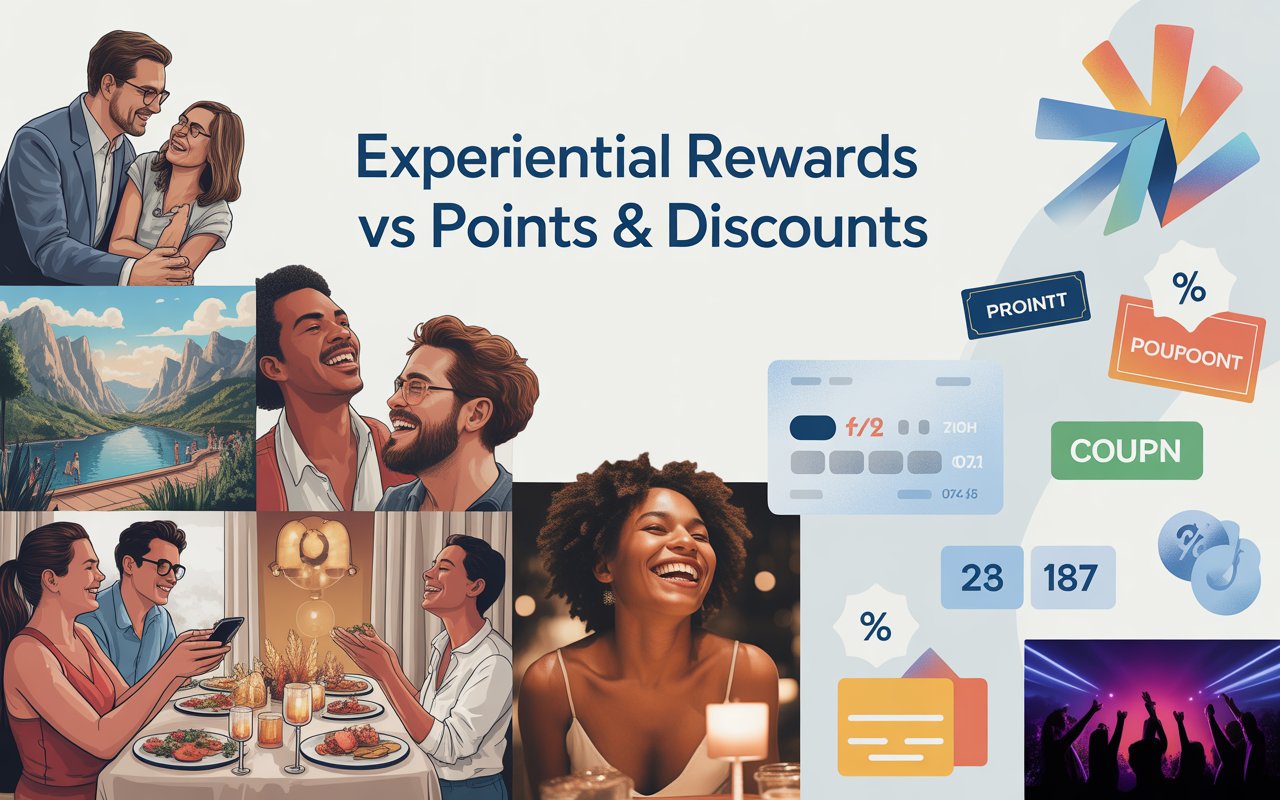
Customer loyalty has changed. People no longer stay loyal just because a brand gives points or price cuts. They expect more value for their time, attention, and trust. Experiential rewards in B2C loyalty programs are becoming the stronger choice because they create real moments that customers remember. Unlike points that often sit unused or discounts that feel routine, experiences feel personal and meaningful. They give customers a reason to feel connected to a brand, not just rewarded by it.
When brands focus only on points or discounts, loyalty often becomes short-term. Customers may return once or twice, but they leave as soon as a better offer appears. Experiences work differently. They speak to emotions, lifestyle, and personal interests. This approach builds deeper bonds and long-term loyalty. That is why many brands are now shifting their focus from transactional rewards to experience-based loyalty programs that feel human and thoughtful.
The limits of points and discounts in B2C loyalty programs
Points often feel distant and impersonal
Points-based systems ask customers to wait. They must collect enough points before they see any real value. For many users, this takes time and effort, which can reduce excitement. Points also feel the same across brands, making it hard for customers to see what makes one loyalty program different from another.
Discounts train customers to wait for lower prices
Discounts can drive quick sales, but they rarely build loyalty. Customers may delay purchases until the next offer appears. Over time, this can weaken brand value and reduce profit margins. Discounts also fail to create emotional loyalty in B2C relationships, as they focus only on price, not experience.
Why experiential rewards feel more meaningful to customers
Experiences create emotional memory
People remember how a brand made them feel. A concert ticket, a wellness retreat, or a family activity leaves a strong emotional mark. These moments stay with customers longer than a coupon or a points balance. This emotional connection is a key reason experiential rewards in B2C loyalty programs work better.
Experiences fit different lifestyles
Experience-based loyalty programs can be tailored to customer interests. Some customers enjoy travel, others prefer dining, fitness, or learning. This flexibility makes non-monetary rewards for customers feel personal and relevant, which increases engagement and satisfaction.
The role of emotions in experience-based loyalty
Emotional value builds stronger bonds
Loyalty grows when customers feel valued, not just rewarded. Experiences tap into joy, pride, and excitement. Brands that focus on emotions create stronger ties that go beyond transactions. You can read more about this approach in Emotions Drive B2C Loyalty, which explains how feelings influence repeat behavior.
Shared moments strengthen brand recall
When customers share their experiences with friends or on social media, the brand becomes part of their story. This organic sharing helps brands stay top of mind without extra marketing spend. Rewards beyond discounts often lead to stronger word-of-mouth growth.
Behavioral economics explains why experiences work
People value experiences differently than cash
Behavioral economics shows that people assign higher emotional value to experiences than to money. A reward that creates a memory feels more special than a cash equivalent. This insight supports the shift toward experiential rewards vs points in modern customer loyalty strategies.
Loss aversion increases participation
Customers fear missing out on unique experiences. Limited-time or exclusive rewards increase engagement and participation. Brands using these ideas often see higher redemption rates. Learn more through Behavioral Economics in B2C Loyalty and how these principles shape better loyalty programs.
How experiential rewards improve customer retention
Experiences encourage repeat interaction
Customers who enjoy a positive experience are more likely to return. This leads to stronger customer retention strategies that focus on long-term value instead of short-term sales.
Experiences support personalization
Personalized rewards for customers show that a brand understands individual needs. This level of care improves customer engagement through experiences and builds trust over time.
When experiential rewards outperform traditional incentives
High-value customers expect more
Top customers often look for recognition, not just savings. Experience-based loyalty programs help brands reward these users in ways that feel premium and thoughtful.
Competitive markets need emotional loyalty
In crowded markets, products and prices often look similar. Brand loyalty through experiences helps businesses stand out and maintain strong relationships even when competitors offer similar deals.
Final thoughts on the future of B2C loyalty
Points and discounts still have a place, but they should not be the foundation of loyalty. Experiential rewards in B2C loyalty programs help brands connect on a deeper level. They support emotional loyalty in B2C markets, improve retention, and make customers feel valued as individuals. As customer expectations continue to grow, experiences will remain one of the strongest tools for building lasting loyalty.
Are Your Loyalty Rewards Creating Real Experiences Or Just Offering Points And Discounts?