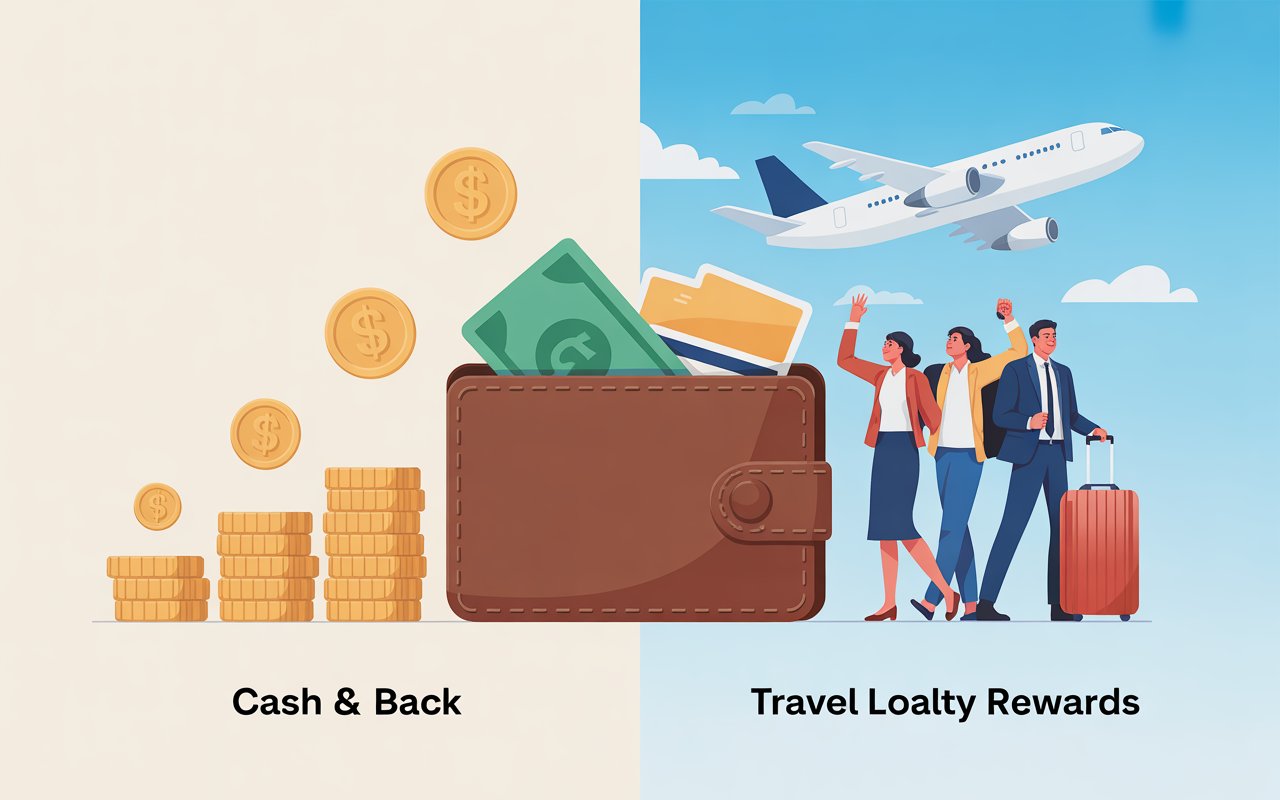
Customer loyalty depends on more than price benefits. While cash back remains a popular choice, many brands notice that it rarely creates a lasting connection. Customers appreciate the savings, but once the reward is used, the emotional link often disappears. This has led many businesses to rethink how rewards influence long-term behavior.
When brands evaluate travel rewards vs cash back, the difference lies in how customers feel after receiving the reward. Travel rewards connect with personal goals, emotions, and memories. These factors help build stronger loyalty that continues long after the reward has been delivered.
How Cash Back and Travel Rewards Influence Customer Behavior
Both reward types aim to increase retention, but they work in very different ways.
The Practical Nature of Cash Back Rewards
Cash back rewards programs offer immediate and clear value. Customers receive money or credits that reduce future spending. This makes them easy to understand and quick to use. However, the reward usually blends into everyday expenses like groceries or bills.
Because cash has no emotional tie, customers rarely connect the reward to the brand itself. Over time, this creates loyalty based mainly on price rather than relationship.
The Personal Appeal of Travel Rewards
Travel rewards programs focus on experiences rather than transactions. Travel is often linked to relaxation, celebration, or personal milestones. These moments create stronger memories and emotional responses.
As a result, customers tend to associate positive feelings with the brand that made the experience possible. This emotional link plays a key role in repeat engagement and long-term loyalty.
Why Emotional Loyalty Matters More Than Transactional Loyalty
Loyalty built on emotion lasts longer than loyalty built only on savings.
Experiences Create Stronger Emotional Connections
Experiences are processed differently in the brain than financial rewards. Travel brings anticipation before the trip and positive reflection after it ends. These feelings stay with customers for a long time.
This is where the emotional impact of travel rewards becomes important, because memories and feelings often guide repeat decisions more than short-term savings.
Shifting From Price-Based to Relationship-Based Loyalty
Cash back encourages customers to compare offers and chase the best deal. Travel rewards shift the focus to the relationship with the brand. This helps reduce switching behavior and builds trust over time.
Travel Rewards vs Cash Back in Long-Term Loyalty Programs
Looking at travel rewards vs cash back through a long-term lens highlights clear differences.
Brand Recall and Memory Retention
Cash back is quickly forgotten once it is spent. Travel rewards are remembered for years. A trip or experience becomes part of a customer’s personal story, and the brand remains linked to that memory.
This higher recall strengthens customer loyalty rewards strategies focused on long-term engagement rather than quick wins.
Perceived Value Beyond Monetary Cost
Travel rewards often feel more valuable than their actual cost. A carefully planned experience can feel premium and meaningful, even if it costs less than repeated cash incentives.
Cash back, on the other hand, is always judged by its numeric value. This limits how much emotional impact it can create.
How Travel Incentives Support Stronger Retention
Retention improves when customers feel valued beyond the purchase.
Extending Engagement Over Time
Travel incentives for customer loyalty extend engagement across multiple stages. Customers think about the reward while planning, experience it during the trip, and remember it afterward. This keeps the brand present over a longer period.
Many companies use travel incentives to create tailored experiences that feel relevant and personal, reinforcing the customer-brand relationship.
Encouraging Repeat Interaction
When customers associate a brand with positive life moments, they are more likely to return. Travel rewards create these moments naturally, helping brands maintain stronger retention rates compared to cash-based programs.
Travel Rewards as a Differentiation Tool in Competitive Markets
In crowded markets, differentiation is essential.
Moving Beyond Standard Rewards
Cash back rewards programs are easy for competitors to copy. Travel rewards programs allow brands to design unique experiences that reflect their values and customer preferences.
This makes travel rewards an effective way to stand out without relying on constant price reductions.
Supporting Brand Perception and Trust
Travel rewards signal care and thoughtfulness. Customers often view them as a sign that the brand understands their lifestyle and aspirations. This supports a stronger brand image and builds trust over time.
Many brands use travel rewards as part of loyalty marketing programs because experience-based incentives support both loyalty and differentiation.
When Cash Back Still Has a Role
Cash back can still be useful for short-term promotions or price-sensitive segments. It works well when the goal is immediate action rather than long-term engagement.
However, relying solely on cash back limits emotional growth. Brands focused on building deeper customer relationships often benefit from balancing practical rewards with experience-based incentives.
The Lasting Advantage of Travel Rewards Over Cash Back
When comparing travel rewards vs cash back, the long-term impact becomes clear. Cash back offers quick satisfaction, but travel rewards create emotional bonds that influence future behavior.
By focusing on experiences, brands can build loyalty rooted in memory, emotion, and trust. This approach helps transform one-time customers into long-term advocates who remain connected to the brand well beyond the reward itself.
What Kind Of Experience Do Your Customers Remember After The Reward Is Used?