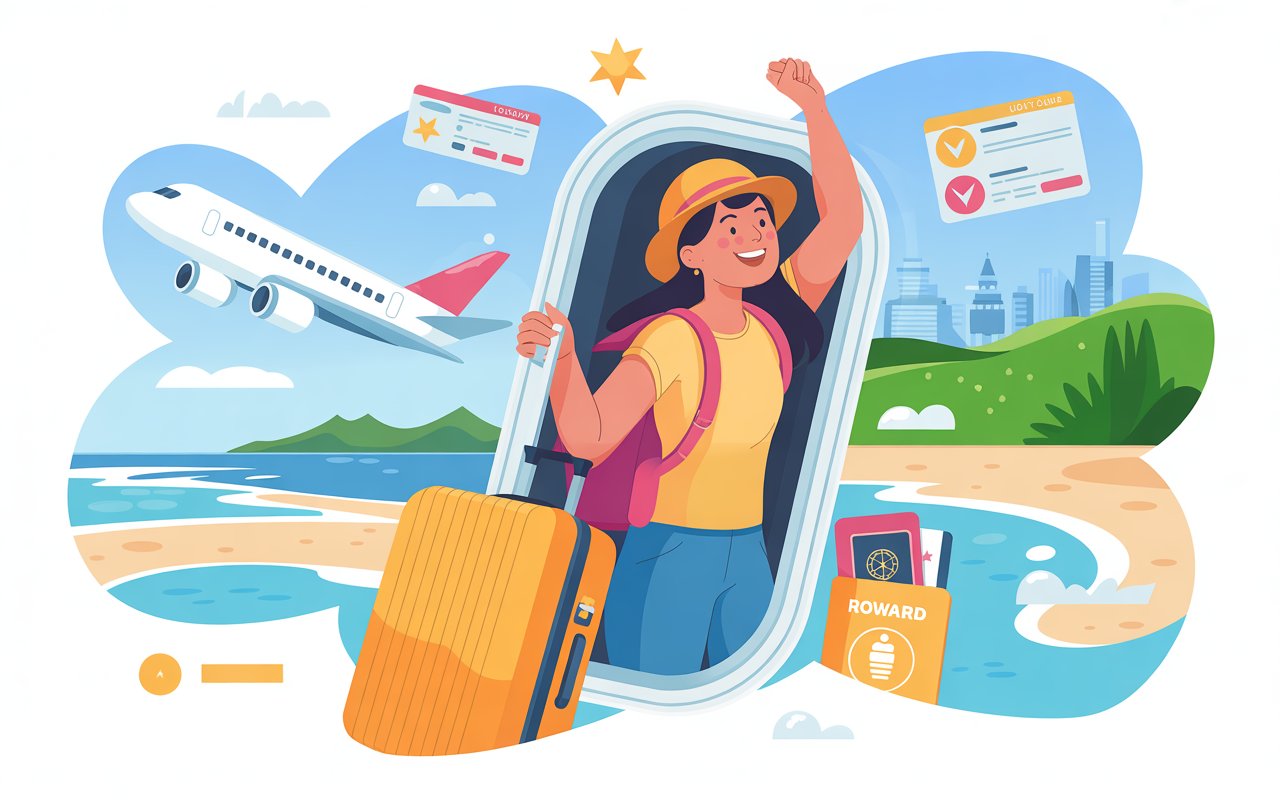
Loyalty programs are no longer just about points and discounts. Travel incentives in loyalty programs are becoming a key strategy for brands looking to create memorable experiences that truly connect with their customers. Offering trips or unique travel experiences goes beyond transactional rewards and taps into the emotional side of consumer behavior. When customers feel personally rewarded, their loyalty strengthens, and their engagement with the brand grows over time.
B2C loyalty programs are evolving to meet changing consumer expectations. Today’s customers seek experiences that feel personalized, meaningful, and valuable. Travel incentives answer this need by providing opportunities to explore new destinations, enjoy adventures, or simply relax away from daily routines. Brands that implement thoughtful travel-based rewards are not only enhancing customer satisfaction but also creating long-term advocates for their business.
Why Travel Incentives Are Gaining Popularity
Travel incentives have a unique appeal because they combine tangible rewards with emotional value. Unlike generic discounts, a trip or travel package leaves a lasting impression, making the customer associate positive experiences with the brand. Research shows that customers are more likely to remain engaged with loyalty programs that offer exciting experiences rather than standard monetary rewards.
These incentives also provide a competitive edge. Many B2C loyalty programs focus on cash-back or product discounts, but travel rewards create a sense of exclusivity and aspiration. By offering something unique, brands can attract and retain high-value customers while fostering deeper emotional connections that extend beyond simple transactions.
The Benefits of Travel Incentives
Travel incentives in loyalty programs can influence consumer behavior in multiple ways. Customers who receive travel rewards often feel appreciated and valued, which encourages repeat purchases and long-term engagement. Offering experiences rather than just points or vouchers can also enhance program participation rates, as consumers are more motivated by rewards that provide meaningful memories.
Additionally, travel rewards can be strategically used to promote brand loyalty among specific customer segments. High-value customers, for example, may be more inclined to redeem points for premium trips, increasing their engagement with the program. Businesses can explore the wide-ranging benefits of offering travel incentives in loyalty programs to understand how these rewards can improve retention and encourage brand advocacy.
Emotional Impact of Travel Rewards
The power of travel incentives lies in their ability to create lasting emotional connections. A well-designed travel reward can generate excitement, joy, and a sense of accomplishment, which are emotions that customers link directly to the brand. This emotional engagement makes loyalty programs more effective because customers remember the experience and associate it with positive feelings toward the company.
Understanding the emotional impact of travel rewards is essential for designing successful B2C loyalty programs. Brands that focus on experiences, rather than just monetary benefits, can foster stronger connections, drive repeat participation, and turn customers into advocates who actively promote the program to their friends and family.
Personalizing Travel Incentives
One of the trends shaping the future of loyalty programs is personalization. Customers are more likely to engage when travel incentives align with their interests and lifestyles. Whether it’s a beach vacation, a city tour, or an adventure trip, offering tailored options makes rewards feel meaningful and relevant.
Data-driven personalization can help brands recommend the right travel incentives to the right customers. This not only improves the redemption rates but also enhances satisfaction and loyalty. Personalized experiences create a sense of recognition, making customers feel understood and valued by the brand.
Emerging Trends in Travel Rewards
Travel incentives are evolving with technology and consumer expectations. Mobile platforms and apps are now used to manage travel rewards, allowing customers to book and track trips seamlessly. Virtual reality previews of travel destinations, flexible booking options, and sustainable travel choices are gaining importance among consumers who want convenience and purpose in their rewards.
Sustainability is another factor influencing travel incentive strategies. Eco-conscious travelers are increasingly looking for environmentally friendly options, and brands that offer responsible travel experiences can enhance their appeal. By adopting these trends, businesses can make loyalty programs more attractive, relevant, and future-ready.
Measuring the Success of Travel Incentives
For loyalty programs to remain effective, businesses need to track key performance indicators. Redemption rates, repeat engagement, customer satisfaction, and incremental revenue are important metrics to measure the success of travel incentives. Feedback surveys can also provide valuable insights into how customers perceive the value of travel rewards.
Ultimately, the future of B2C loyalty programs is about creating experiences that resonate emotionally and offer tangible value. Travel incentives, when thoughtfully implemented, can transform a loyalty program into a platform that strengthens relationships, encourages repeat participation, and drives advocacy. Brands that prioritize meaningful travel rewards are likely to see higher engagement and lasting loyalty from their customers.
Curious About How Travel Incentives Can Transform Your Loyalty Program?