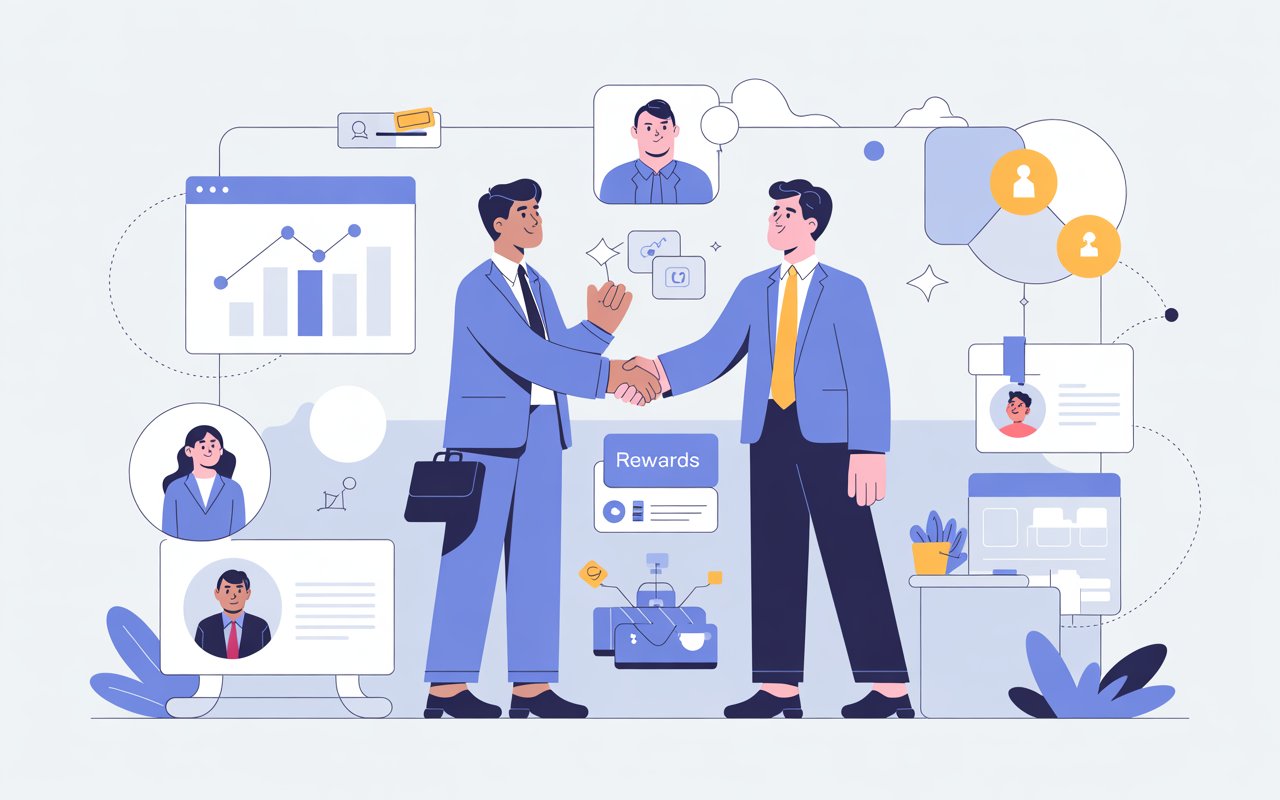
Building strong relationships in the B2B sector goes beyond offering quality products or services. Businesses that focus on personalization in B2B loyalty programs see a tangible difference in client satisfaction and long-term engagement. When companies tailor their loyalty programs to the unique needs and behaviors of their clients, they create a sense of value and appreciation that generic programs simply cannot achieve.
Personalized loyalty programs give businesses the opportunity to understand their clients better and respond with meaningful rewards, incentives, and recognition. These programs not only enhance client experience but also foster trust and loyalty, which are crucial for sustained growth. Clients are more likely to continue working with a company that acknowledges their individual contributions and adapts its loyalty initiatives to match their expectations.
Why Personalization Matters in B2B Loyalty Programs
Personalization in B2B loyalty programs directly influences client retention by making clients feel recognized and valued. Unlike consumer markets, B2B relationships are built over long-term engagements, often involving multiple stakeholders. Tailoring loyalty programs to reflect client needs, purchase patterns, and preferences can significantly strengthen these relationships.
When a business recognizes milestones such as contract renewals, bulk orders, or collaborative achievements, it sends a clear message that the client’s contributions are appreciated. This level of attention not only reinforces trust but also encourages repeat business, making it an essential component of effective B2B loyalty strategies.
Key Elements of Personalization in Loyalty Programs
Understanding Client Preferences
The first step in creating a personalized loyalty program is to gather insights about your clients. This includes understanding their purchasing behavior, communication preferences, and business goals. By analyzing these factors, companies can offer rewards and incentives that are truly relevant to each client, which strengthens engagement and improves satisfaction.
Segmented Loyalty Offers
Segmenting clients based on industry, order size, or engagement level allows businesses to deliver targeted rewards. For example, high-volume clients might receive exclusive benefits such as priority support, discounts on bulk orders, or early access to new products. Segmented programs ensure that clients feel valued according to their specific contributions.
Customized Communication
Personalization also extends to the way businesses communicate with their clients. Tailored messages, regular updates on program benefits, and personalized reminders can make clients feel appreciated and connected. Email campaigns, account manager check-ins, and platform notifications are effective ways to maintain personalized touchpoints.
Benefits of Personalized B2B Loyalty Programs
Enhanced Client Retention
Personalization fosters stronger relationships, which naturally leads to higher retention rates. Clients are more likely to maintain a long-term partnership with businesses that recognize their unique needs and reward their loyalty. Retaining clients is not only cost-effective but also provides a reliable revenue stream.
Increased Engagement and Advocacy
Clients who feel valued are more engaged and often become advocates for the brand. They are likely to refer other businesses, provide testimonials, and participate in collaborative initiatives. This level of engagement amplifies the impact of B2B customer loyalty, benefiting both the client and the company.
Data-Driven Insights
Personalized programs provide valuable insights into client behavior, preferences, and trends. This data allows companies to refine their loyalty strategies, predict future needs, and deliver increasingly relevant rewards. Over time, these insights can inform product development, marketing strategies, and customer service improvements.
How to Implement Personalization Effectively
Start with Client Segmentation
Segmentation is critical for delivering personalized loyalty programs. Divide clients into groups based on specific criteria such as purchase history, industry type, and engagement frequency. This approach ensures that loyalty initiatives resonate with each client segment.
Offer Meaningful Rewards
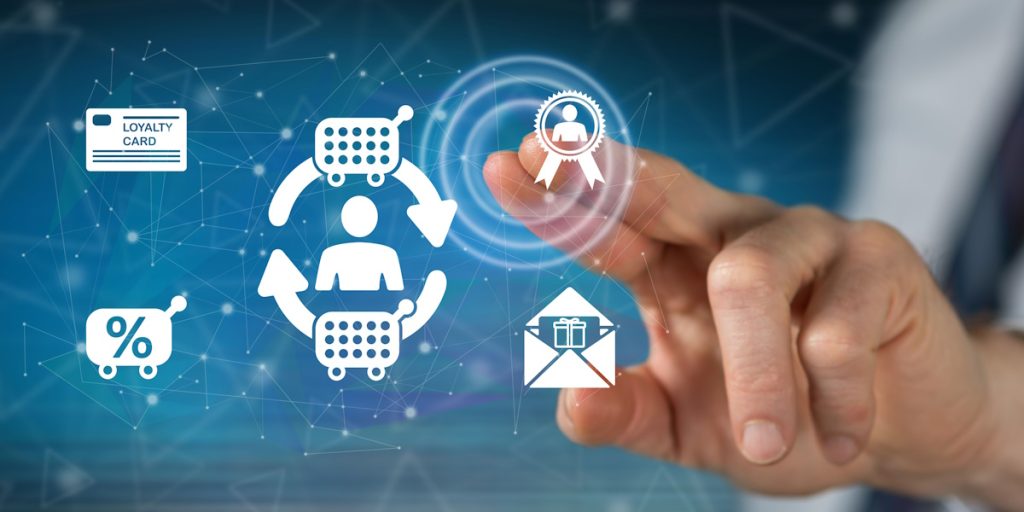
Rewards must be relevant and valuable to the client. Options could include tailored discounts, exclusive services, or early access to new offerings. The more aligned the rewards are with client expectations, the stronger the bond will be.
Leverage Technology
Modern loyalty platforms enable businesses to track client behavior, automate communications, and deliver personalized rewards efficiently. By integrating technology with a human touch, companies can maintain a scalable yet personalized approach to client retention.
Conclusion
Personalization in B2B loyalty programs is no longer optional—it is a strategic necessity for client retention. By understanding client needs, offering targeted rewards, and maintaining meaningful communication, businesses can foster stronger relationships and long-term loyalty. The benefits go beyond retention, influencing client advocacy, engagement, and business growth. Investing in personalized loyalty initiatives ensures that clients feel valued and motivated to continue their partnership.
Curious About How A Personalized Loyalty Program Can Transform Your B2b Relationships?