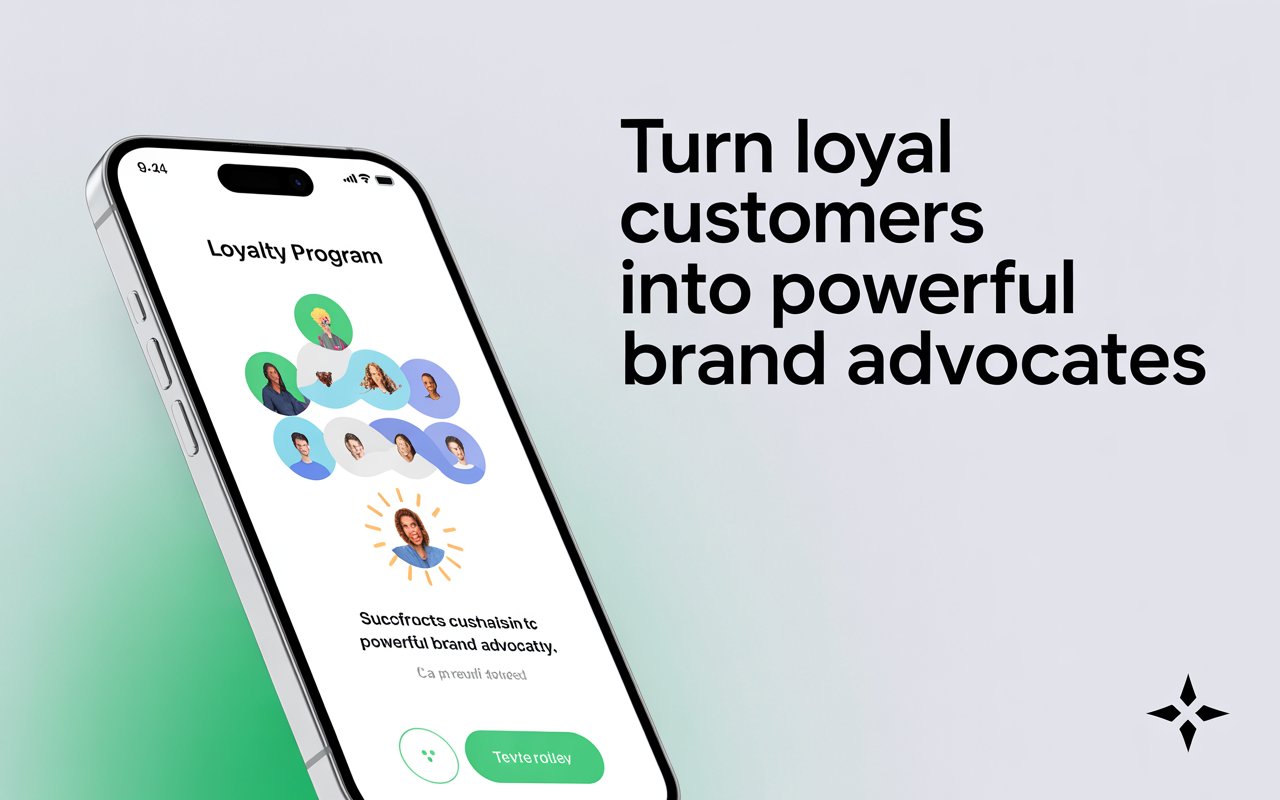
Bringing in new customers can be costly and time-consuming, but one of the smartest ways to grow your business is to let your current customers help. When people love your brand, they’re often happy to tell friends and family. The trick is giving them a good reason to share. That’s where loyalty programs for referrals come in. They reward people for spreading the word, making both your customers and your business feel like winners.
Using loyalty programs for referrals isn’t just about giving discounts. It’s about building strong relationships, making customers feel valued, and turning happy buyers into brand advocates. When you connect rewards to referrals, you encourage people to talk about your products or services. Over time, this leads to a steady stream of new customers who arrive already trusting your business because someone they know recommended you.
Why Combine Loyalty Programs with Referrals?
Businesses often keep loyalty programs and referral programs separate. But putting them together can create powerful results. A loyalty program keeps customers coming back, while a referral program helps bring in fresh faces. When these two work as one, you multiply your chances to grow.
Customer loyalty strategies are designed to thank your current buyers for sticking around. But those same people can help you grow even more by referring others. If you reward referrals through your loyalty program, people see an extra reason to share your business. This approach can lower marketing costs, increase trust, and create a community around your brand.
How Loyalty Programs for Referrals Work
Offer Rewards That Matter
Not all rewards inspire action. To encourage referrals, your loyalty program should offer benefits your customers truly want. Some good referral rewards examples include:
- Cash discounts on future purchases
- Free products or services
- Exclusive gifts
- Early access to new products
- Points that can be saved for bigger reward
These types of customer referral incentives show appreciation and give customers a reason to keep sharing your business.
Make It Simple for Customers to Refer
If your referral process is confusing or takes too long, people might skip it. A successful referral program best practice is to keep things easy. Let customers share a simple referral link or code by email, text, or social media. Make sure it’s clear how they’ll earn rewards and how their friends can claim them.
Clear instructions and easy-to-use tools make a huge difference in getting customers to participate. When people feel it’s simple, they’re more likely to tell others about your brand.
Benefits of Using Loyalty Programs for Referrals
Builds Trust and Credibility
People trust recommendations from friends or family more than any ad. When customers refer others, it’s like giving your business a personal stamp of approval. By tying referrals to your loyalty program, you increase trust even more. Friends of your customers are likely to believe in your business from the start, making them more open to buying.
Helps Lower Marketing Costs
Advertising to strangers can be expensive. But when your own customers bring in new buyers, it often costs much less. A reward program for referrals lets you pay for real results instead of risky ads that may or may not work. Over time, this approach saves money and improves your return on investment.
Keeps Customers Engaged
When people feel valued, they stick around. Offering referral incentives for customers through your loyalty program keeps them interested and excited. It also makes them feel like they’re part of your brand’s success. Engaged customers buy more often, spend more, and talk positively about your business.
Tips for a Successful Loyalty Referral Program
Personalize Your Approach
Try to match rewards with what your customers care about. If your buyers love experiences, offer event tickets. If they enjoy discounts, give them special price cuts. Personal rewards make customers feel understood and valued.
Track and Measure Your Program
Keep an eye on how well your loyalty program for referrals is working. Measure how many people share referrals, how many new customers join, and how much those new customers spend. Tracking helps you adjust and improve your program for better results.
Promote Your Program Often
Don’t keep your referral program a secret. Talk about it in emails, on social media, and on your website. Remind customers they can earn rewards for sending friends your way. Consistent reminders help keep the program fresh in their minds.
Conclusion
Using loyalty programs for referrals is a smart way to grow your business without spending a fortune on ads. By combining the power of loyalty and referrals, you turn happy customers into your best marketing team. Focus on simple processes, meaningful rewards, and clear communication, and you’ll find it easier to bring in new customers who already trust your brand.
A well-run referral loyalty program isn’t just a marketing tool—it’s a way to build strong relationships that keep your business thriving for years to come.
Want to see how loyalty rewards can grow your referrals?