Loyalty isn’t just a consumer game. In the B2B world, building trust and creating long-term partnerships is essential—and rewards play a much bigger role than many realize. The psychology of B2B loyalty goes beyond transactions. It taps into emotions, trust, motivation, and perceived value. When done right, loyalty programs influence not only repeat business but also deeper engagement and long-term retention.
Business buyers, like consumers, are still humans. They are influenced by feelings, habits, and even biases. A well-structured loyalty or incentive program can shape decisions, guide preferences, and create a sense of belonging. Whether you’re offering points, perks, or exclusive access, understanding the psychological triggers behind loyalty is key to developing strategies that truly work.
How Rewards Shape Business Buying Decisions
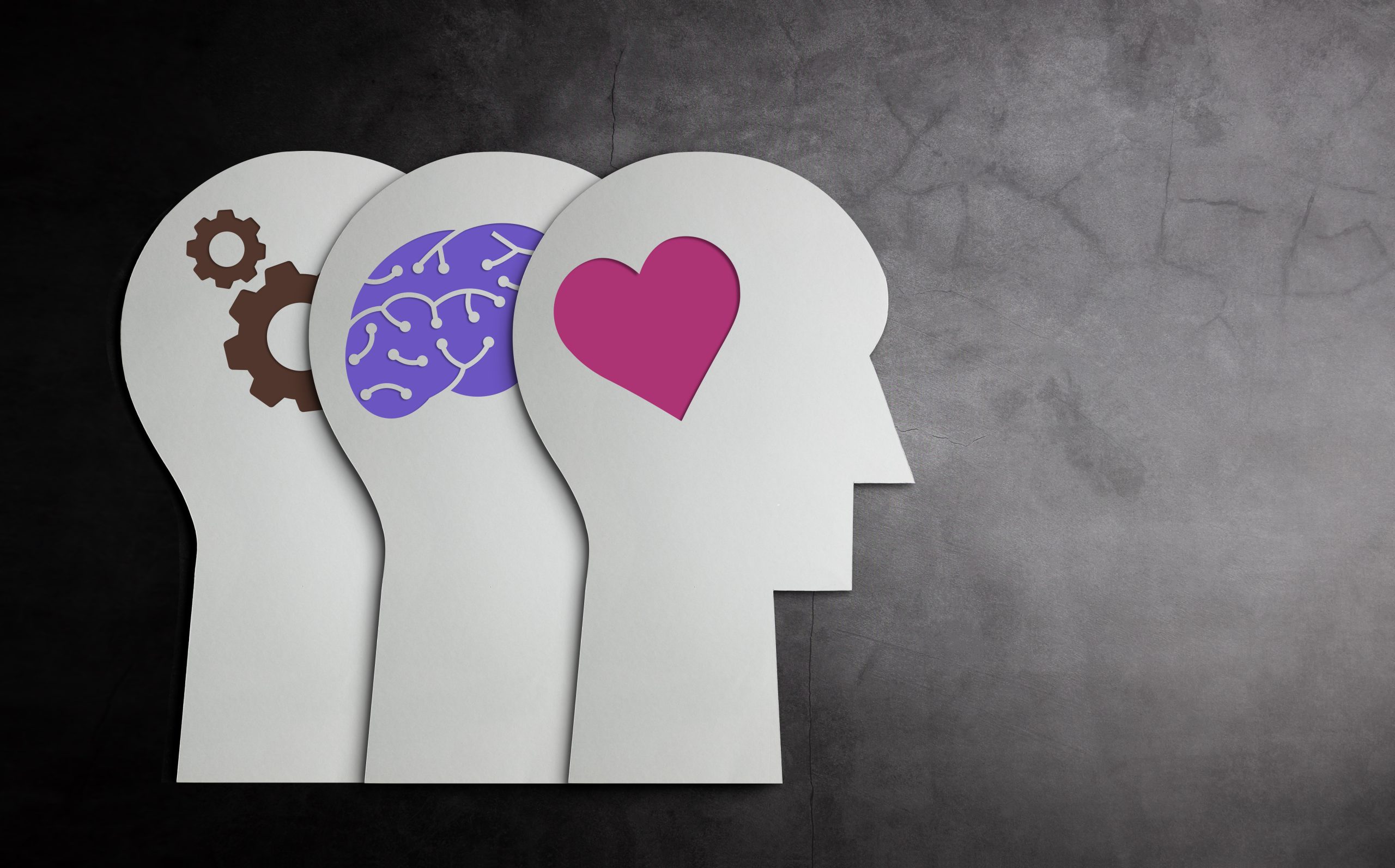
The Emotional Side of B2B Loyalty
It’s easy to think B2B decisions are made purely through logic and analysis. But emotions quietly steer many business choices. According to a study by Google and CEB, B2B buyers are almost 50% more likely to buy a product or service when they see personal value—such as feeling respected, confident, or appreciated.
This emotional connection is where B2B loyalty programs shine. When decision-makers feel rewarded for their choices, they associate positive emotions with the brand. Over time, this builds a foundation of trust and reliability, making them more likely to return or recommend.
The Role of Behavioral Economics in B2B Loyalty
Behavioral economics explains how people often make choices that aren’t always rational. Business buyers, despite acting on behalf of companies, still experience:
- Loss aversion – The fear of losing accumulated rewards encourages repeat purchases.
- Reciprocity – When a brand gives something valuable, the buyer feels a natural urge to give back—often in the form of loyalty.
- Commitment bias – Once someone starts earning rewards, they tend to stick with the program to maximize value.
These principles are at the heart of a strong B2B incentive program.
Building Long-Term Loyalty Through Rewards
Trust and Transparency
In B2B relationships, trust is a long-term currency. Loyalty programs must be transparent, easy to understand, and consistent. If rewards are difficult to redeem or terms are unclear, it can backfire and reduce trust.
Clearly communicating reward structures, timelines, and benefits helps keep partners engaged and informed. This builds customer retention and reinforces the belief that their loyalty is valued.
Practical Benefits of B2B Loyalty Programs
A well-designed loyalty program does more than just retain clients. It creates measurable business value:
- Reduced churn rates
- Increased order frequency
- Higher average transaction size
- Improved customer lifetime value
By offering incentives like rebates, points, or exclusive access to training, brands keep partners actively engaged.
Key Elements That Influence Business Decisions
Motivation and Reward Timing
The timing of rewards matters. Immediate rewards (like monthly credits or instant discounts) offer quick satisfaction, while long-term rewards (like yearly bonuses or cumulative points) encourage ongoing commitment. Mixing both creates a balance between instant gratification and sustained loyalty.
Personalization and Relevance
Just like in B2C, personalization is powerful in B2B. Sending relevant rewards—based on purchase history, location, or business type—makes partners feel understood. This tailored approach boosts B2B customer engagement and deepens the emotional connection.
Making Loyalty Programs Work in the B2B Space
To build a loyalty program that resonates, businesses must go beyond surface-level incentives. Here are a few tips:
- Understand your audience – Know what motivates your buyers. Is it cost savings, prestige, or ease of doing business?
- Keep it simple – A complicated system discourages participation.
- Align with company goals – Make sure your rewards program supports larger business objectives.
- Communicate consistently – Keep buyers updated on rewards, balances, and new offers.
- Track and adapt – Use analytics to monitor performance and make changes when needed.
Final Thoughts: Psychology Drives Loyalty—Even in B2B
Understanding the psychology of B2B loyalty means recognizing that behind every business deal is a person making a decision. These decisions are often shaped by emotions, incentives, and perceived value—just like in the consumer world.
When B2B companies take the time to design loyalty programs based on psychological insights, they don’t just drive sales—they build partnerships that last.
Is your B2B Loyalty Strategy Working Effectively?